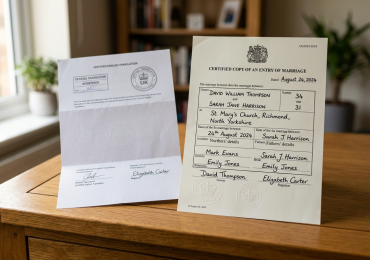
Understanding Certified Translation
Certified translation refers to a translation that comes with a signed statement of accuracy from the translator or translation service. This statement certifies that the translation is a true and accurate representation of the original document. Certified translations are commonly required for various official purposes, including legal documents, immigration paperwork, academic records, and personal documents such as birth certificates and marriage licenses.
In many cases, certified translations are needed when submitting documents to government agencies, educational institutions, or legal entities. The requirements for certified translations can vary by jurisdiction and institution, but generally, they must be completed by a qualified translator who can attest to the accuracy of the translation. This often includes providing their credentials, such as certifications or professional memberships.
Legal implications of certified translations can be significant. For instance, if a certified translation is required for a visa application, any inaccuracies or omissions could lead to delays or denials. Therefore, it is crucial to ensure that the translation is done by a reputable service that adheres to the necessary standards. In the UK, certified translations are widely accepted by authorities, provided they meet specific criteria, such as being completed by a qualified translator and including a signed statement of accuracy.
In summary, certified translation serves as a vital bridge in communication across languages, ensuring that important documents are accurately represented and legally recognized. Whether for immigration, education, or legal matters, understanding the nuances of certified translation is essential for anyone needing such services.
What is Sworn Translation?
Sworn translation is a specific type of certified translation that holds legal standing in certain jurisdictions, particularly in the UK and many European countries. A sworn translator is a professional who has been authorized by a legal authority to provide translations that are recognized as official documents. This designation often requires passing rigorous examinations and adhering to strict ethical guidelines.
In the UK, sworn translators are not as commonly recognized as in other countries, but the concept still exists. The role of a sworn translator in the UK involves translating documents that require a higher level of authenticity and legal recognition, such as court documents, legal contracts, and official certificates. The translations performed by sworn translators are often accompanied by a declaration or stamp that attests to their authenticity.
The legal standing of sworn translations means they are accepted by courts, government agencies, and other institutions that require verified documentation. This is particularly crucial in cases where the accuracy of the translation could impact legal proceedings or immigration processes. Sworn translations must meet specific requirements, including being completed by a translator who is recognized by a legal authority and often include a detailed declaration of the translator’s qualifications.
In conclusion, sworn translation provides an additional layer of credibility and legal recognition, making it essential for specific situations where certified translation alone may not suffice. Understanding the role and requirements of sworn translators can help individuals navigate the complexities of legal documentation more effectively.
Key Differences Between Certified and Sworn Translation
The distinction between certified and sworn translation lies primarily in their legal recognition and the processes involved in obtaining them. Here are the key differences:
- Certification Process: Certified translations involve a translator or translation service providing a signed statement of accuracy. In contrast, sworn translations require the translator to be officially recognized by a legal authority, often necessitating specific qualifications and adherence to ethical standards.
- Legal Recognition: Certified translations are generally accepted by most institutions and government agencies, but their legal standing can vary. Sworn translations, however, carry more weight in legal contexts and are explicitly recognized by courts and government bodies.
- Documentation Requirements: For certified translations, the requirements may include a simple statement of accuracy, while sworn translations often require additional documentation, such as a declaration of the translator’s qualifications and an official stamp or seal.
- Types of Documents: Certified translations are suitable for a wide range of documents, including personal, academic, and legal papers. Sworn translations are typically reserved for documents that require a higher level of legal recognition, such as court filings, legal contracts, and immigration documents.
- Situations of Use: Certified translations are often sufficient for general purposes, such as applying for a job or educational program. In contrast, sworn translations are necessary when dealing with legal matters, immigration processes, or any situation where the accuracy of the translation could have significant legal implications.
Understanding these differences is crucial for individuals seeking translation services, as selecting the appropriate type can impact the acceptance of documents in legal and official contexts. When in doubt, consulting with a professional translation service can provide clarity on which type of translation is required for specific needs.
When Do You Need Sworn Translation?
Sworn translation is often required in specific scenarios where legal recognition of the translated document is essential. Here are some common situations that necessitate sworn translation:
- Legal Documents: Documents such as contracts, court filings, and legal notices typically require sworn translation to ensure their accuracy and legal standing.
- Immigration Papers: When applying for visas, residency, or citizenship, immigration authorities often require sworn translations of personal documents, including birth certificates, marriage licenses, and police certificates.
- Official Certificates: Educational certificates, diplomas, and transcripts may need sworn translation when being submitted to foreign institutions or government bodies.
- Financial Documents: In certain cases, financial statements or tax documents may require sworn translation, particularly when dealing with international transactions or legal matters.
Examples of documents that often need sworn translation include:
- Birth certificates
- Marriage certificates
- Divorce decrees
- Adoption papers
- Power of attorney documents
The consequences of not using sworn translation when required can be significant. For instance, failure to provide a sworn translation for immigration documents may result in delays, denials, or complications in the application process. Similarly, inaccuracies in legal documents can lead to legal disputes or invalidation of contracts. Therefore, understanding when sworn translation is necessary is crucial for ensuring compliance with legal requirements.
Sworn Translator vs Certified Translator
When choosing between a sworn translator and a certified translator, it is essential to understand the qualifications and training differences that set them apart:
- Qualifications: A certified translator may hold relevant qualifications and experience in translation but may not have the legal recognition required to perform sworn translations. In contrast, a sworn translator has undergone specific training and certification to be recognized by legal authorities, often requiring passing rigorous exams.
- Scope of Work: Certified translators can handle a wide range of documents, including personal, academic, and business-related translations. Sworn translators, however, are typically limited to translating documents that require legal recognition, such as court documents and official certificates.
- Choosing the Right Translator: When selecting a translator, consider the nature of the documents you need translated. If legal recognition is necessary, opt for a sworn translator. For general purposes, a certified translator may suffice.
Additionally, it is important to verify the qualifications of any translator you choose. This can include checking their certifications, professional memberships, and experience in the specific type of translation you require. Ensuring that the translator meets the necessary legal standards can save you time and complications in the long run.
Sworn Translation Meaning in the UK
In the UK, the term “sworn translation” refers to translations that are performed by a certified translator recognized by a legal authority. While the concept of sworn translation is more prevalent in countries like France and Germany, the UK recognizes the importance of accurate and legally binding translations in specific contexts.
Sworn translations in the UK carry legal weight and are accepted by courts, government agencies, and other institutions that require verified documentation. This recognition is crucial for individuals needing to present documents in legal matters, immigration applications, or other official scenarios.
It is important to note that the terminology and requirements for sworn translations can vary across countries. For instance, in some jurisdictions, sworn translators may be required to take an oath or be registered with a specific authority. In the UK, however, the focus is more on the qualifications and credentials of the translator rather than a formalized oath-taking process.
Understanding the specific legal context of sworn translation in the UK can help individuals navigate the complexities of legal documentation more effectively. When dealing with important documents, consulting with a professional translation service can ensure compliance with legal requirements and provide peace of mind.
Choosing the Right Translation Service
When selecting a translation service, several factors should be considered to ensure you receive high-quality and compliant translations:
- Qualifications and Experience: Verify the qualifications of the translators, including their certifications, professional memberships, and experience in the specific type of translation you require. This is particularly important for legal and sworn translations.
- Specialization: Choose a translation service that specializes in the type of documents you need translated. For example, if you require legal translations, look for a service with expertise in legal terminology and processes.
- Compliance with Legal Requirements: Ensure that the translation service understands the legal requirements for certified and sworn translations in your jurisdiction. This includes knowing what documentation is necessary and how to format the translations correctly.
- Reviews and Testimonials: Research customer reviews and testimonials to gauge the quality of the service. Positive feedback from previous clients can provide insight into the reliability and accuracy of the translations.
- Turnaround Time and Pricing: Consider the turnaround time for the translations and the pricing structure. While cost is important, it should not be the sole determining factor. Quality and accuracy should always be prioritized.
By taking the time to choose the right translation service, you can ensure that your documents are accurately translated and legally recognized, minimizing the risk of complications in your personal or professional endeavors.
Conclusion
Understanding the differences between certified and sworn translation is essential for anyone needing translation services. Certified translations provide a general level of accuracy and are widely accepted, while sworn translations offer an additional layer of legal recognition and authenticity. Knowing when to choose each type can significantly impact the acceptance of your documents in legal and official contexts.
As you navigate the complexities of translation requirements, consider seeking professional advice to ensure compliance with legal standards. By doing so, you can avoid potential pitfalls and ensure that your translations meet the necessary criteria for acceptance by authorities and institutions.
Frequently Asked Questions
What is the difference between certified and sworn translation?
Certified translation is a general term for translations that come with a signed statement of accuracy. Sworn translation is a specific type of certified translation that is legally recognized and performed by a sworn translator.
When do you need sworn translation?
Sworn translation is often required for legal documents, immigration papers, and official certificates. It is necessary when a document needs to be presented to a government authority or court.
What does sworn translation mean in the UK?
In the UK, sworn translation refers to translations done by a certified translator who is recognized by a legal authority. These translations carry legal weight and are accepted by courts and government agencies.
How do I choose between a sworn translator and a certified translator?
Consider the legal requirements of your document. If legal recognition is needed, opt for a sworn translator; for general purposes, a certified translator may suffice.
Can a certified translator perform sworn translations?
Not necessarily; a certified translator must also be sworn to perform sworn translations. Check the translator’s qualifications to ensure they meet the necessary legal standards.