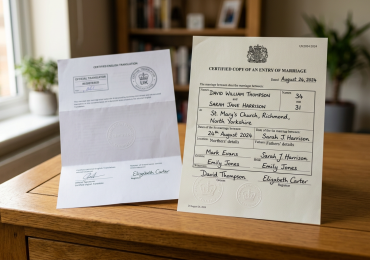
Understanding Certified Translation
Certified translation is a specialized service that involves translating documents and providing a signed statement from the translator or translation agency attesting to the accuracy and completeness of the translation. This certification is crucial for legal and official documents, as it ensures that the translated content is accepted by government bodies, educational institutions, and other organizations that require verified translations. Certified translations are often required for documents such as birth certificates, marriage certificates, academic transcripts, and legal contracts.
The importance of certified translation cannot be overstated, especially in the context of legal and official matters. For instance, when applying for a visa, submitting documents to the Home Office, or registering for educational programs, the accuracy of the translation is paramount. Any discrepancies or errors can lead to delays, rejections, or even legal complications. Therefore, having a certified translation guarantees that the document meets the necessary standards and is recognized by the relevant authorities.
In the UK, certified translations must adhere to specific guidelines, including the qualifications of the translator or agency providing the service. This ensures that the translation is not only accurate but also culturally appropriate and contextually relevant. As such, choosing a certified translation service is essential for anyone needing to present documents in a foreign language for official purposes.
Translation Agency vs Freelance Translator: Key Differences
When considering translation services, clients often face the choice between a translation agency and a freelance translator. Both options have unique characteristics that can significantly impact the outcome of a translation project.
A translation agency typically consists of a team of professional translators, editors, and project managers. These agencies often specialize in various fields, such as legal, medical, or technical translation, allowing them to offer a wide range of services. They have established quality control processes, ensuring that translations are accurate and consistent. Additionally, agencies can handle larger projects efficiently, thanks to their resources and personnel.
On the other hand, freelance translators operate independently and may specialize in specific languages or subject areas. They often provide a more personalized service, allowing for direct communication between the client and the translator. Freelancers may be more flexible in terms of pricing and project timelines, making them an attractive option for smaller projects or those with tight budgets.
When comparing the services offered by agencies and freelancers, several factors come into play:
- Scope of Services: Agencies typically offer a broader range of services, including localization, desktop publishing, and multilingual support.
- Quality Assurance: Agencies often have rigorous quality assurance measures in place, while freelancers may vary in their processes.
- Project Management: Agencies provide dedicated project managers to oversee the translation process, while freelancers may require more direct oversight from the client.
- Pricing: Freelancers may offer lower rates, but agencies can provide a more comprehensive service that justifies their higher fees.
Ultimately, the choice between a translation agency and a freelance translator depends on the specific needs of the client, including the complexity of the project, budget constraints, and desired turnaround time.
Benefits of Using a Translation Agency
Choosing a translation agency for certified translation offers several distinct advantages that can enhance the quality and efficiency of the translation process.
One of the primary benefits is access to a team of experts. Translation agencies employ multiple translators with diverse specializations, ensuring that your documents are handled by professionals who understand the nuances of the subject matter. This is particularly important for complex legal or technical documents where accuracy is critical.
Quality assurance processes are another significant advantage. Agencies typically implement multi-step quality checks, including editing and proofreading by different professionals. This layered approach minimizes the risk of errors and ensures that the final product meets the highest standards. For example, a legal document translated by an agency will undergo scrutiny from both a translator and a legal expert, ensuring both linguistic and contextual accuracy.
Faster turnaround times are also a key benefit of using a translation agency. With a team of translators working simultaneously on different sections of a project, agencies can deliver translations more quickly than a single freelancer. This is especially beneficial for clients with tight deadlines or those requiring urgent translations for legal proceedings or immigration applications.
In summary, the benefits of using a translation agency include:
- Access to specialized knowledge and expertise
- Robust quality assurance processes
- Faster project completion times
These advantages make translation agencies a preferred choice for clients requiring certified translations for important documents.
Advantages of Hiring a Freelance Certified Translator
While translation agencies offer numerous benefits, hiring a freelance certified translator also presents unique advantages that can be appealing to certain clients.
One of the most significant advantages of working with a freelance translator is cost-effectiveness. Freelancers often have lower overhead costs compared to agencies, allowing them to provide competitive rates. This can be particularly beneficial for individuals or small businesses with limited budgets who still require high-quality translations.
Personalized service is another key benefit of hiring a freelancer. Clients can communicate directly with the translator, fostering a collaborative relationship that can enhance the understanding of specific requirements and preferences. This direct line of communication can lead to a more tailored translation that aligns closely with the client’s expectations.
Flexibility in communication is also a notable advantage. Freelancers often have more adaptable schedules and can accommodate last-minute requests or changes more easily than larger agencies. This flexibility can be crucial for clients who need to make adjustments to their projects as they progress.
Moreover, freelancers may have niche expertise in specific fields, allowing them to provide specialized translations that meet the unique needs of the client. For example, a freelance translator with a background in medical terminology can be invaluable for translating healthcare documents accurately.
In summary, the advantages of hiring a freelance certified translator include:
- Cost-effective solutions for smaller projects
- Personalized and direct communication
- Flexibility in project management and timelines
These factors make freelancers an attractive option for clients seeking tailored services at competitive prices.
Agency vs Freelance Translation Quality
The quality of translation services is a critical consideration when choosing between a translation agency and a freelance translator. Each option has its own quality control measures that can impact the final output.
Translation agencies often implement comprehensive quality control processes. These may include multiple rounds of editing and proofreading by different professionals, ensuring that the translation is not only accurate but also stylistically appropriate for the target audience. Agencies may also utilize translation memory tools and glossaries to maintain consistency across large projects, which is particularly important for technical or legal documents.
In contrast, the quality of work from freelance translators can vary significantly depending on the individual’s experience, expertise, and attention to detail. While many freelancers produce high-quality translations, there is a risk of inconsistency without the structured oversight that an agency provides. For example, a freelance translator may excel in literary translations but struggle with technical jargon, leading to potential issues in accuracy.
Case studies can illustrate the differences in translation quality. For instance, a multinational corporation may choose to work with an agency for its legal documents to ensure that all translations are vetted by legal experts. Conversely, an individual needing a personal document translated might opt for a freelancer who specializes in that particular language pair and subject matter.
Ultimately, while both agencies and freelancers can produce high-quality translations, clients must carefully assess the specific qualifications and processes of their chosen provider. Factors such as the complexity of the text, the required turnaround time, and the importance of accuracy will influence the decision.
Choosing the Right Option for Your Needs
When it comes to selecting between a translation agency and a freelance translator, it is essential to assess your specific translation needs thoroughly. Several factors should guide your decision-making process.
First, consider the scope of your translation project. If you have a large volume of documents that require translation, an agency may be the better option due to their ability to mobilize multiple translators and manage the project efficiently. Conversely, for smaller projects or individual documents, a freelance translator may provide the personalized service and attention you need.
Next, evaluate your budget. Agencies typically charge higher rates due to their comprehensive services and quality assurance processes. If budget constraints are a significant factor, a freelancer may offer more competitive pricing without compromising on quality.
Timeline is another critical factor. If you have a tight deadline, agencies can often deliver faster due to their resources and team structure. Freelancers may be able to accommodate urgent requests, but this can vary based on their current workload.
Finally, consider the complexity of the documents you need translated. For highly specialized content, such as legal or medical documents, an agency with subject-matter experts may provide the assurance you need for accuracy. However, if your project is straightforward and requires less technical knowledge, a qualified freelancer may suffice.
In summary, when choosing between an agency and a freelancer, consider the following:
- Project size and complexity
- Budget constraints
- Timeline requirements
By carefully assessing these factors, you can make an informed decision that aligns with your translation needs.
Cost Comparison: Agency vs Freelance Translation
Understanding the cost implications of hiring a translation agency versus a freelance translator is crucial for making an informed decision. Both options have distinct pricing structures that can affect your overall budget.
Translation agencies typically have set pricing models based on the type of service provided, the language pair, and the complexity of the documents. For example, agencies may charge per word, per page, or even a flat fee for specific services. This pricing often reflects the comprehensive nature of their services, including project management, quality assurance, and the expertise of their team. While agencies may seem more expensive upfront, the added value of their structured processes can justify the cost, especially for larger projects.
Freelance translators, on the other hand, often have more flexible pricing structures. Many freelancers charge per word or per hour, and their rates can vary widely based on their experience, specialization, and the demand for their services. While freelancers may offer lower rates, clients should be cautious of potential hidden costs, such as additional fees for revisions, formatting, or expedited services.
It is also essential to consider the potential hidden costs associated with each option. For agencies, these may include administrative fees or costs for additional services that may not be included in the initial quote. For freelancers, hidden costs could arise if the project requires extensive revisions or if the translator needs to consult additional resources to complete the work accurately.
In summary, the cost comparison between agencies and freelancers includes:
- Agencies typically have higher rates but offer comprehensive services.
- Freelancers may provide more competitive pricing, but hidden costs can arise.
- Consider the total cost of ownership, including potential revisions and additional services.
Understanding these cost dynamics will help you choose the option that best fits your budget and project requirements.
Real-Life Scenarios: When to Choose Each Option
To better understand when to choose a translation agency versus a freelance translator, let’s explore some real-life scenarios that illustrate the strengths of each option.
For instance, a multinational corporation needing to translate a large volume of legal documents for compliance purposes would benefit from a translation agency. The agency can provide a team of legal translators who understand the intricacies of the law, ensuring that all translations are accurate and compliant with legal standards. Additionally, the agency’s project management team can handle the logistics of the project, allowing the corporation to focus on its core business activities.
Conversely, an individual seeking a certified translation of a birth certificate for a visa application might find a freelance translator to be a more suitable choice. The individual can communicate directly with the translator, discussing specific requirements and timelines. If the freelancer specializes in certified translations, the individual can expect a high-quality product without the higher costs associated with an agency.
Client testimonials can further illustrate these scenarios. A business client might share their positive experience with an agency, highlighting the efficiency and professionalism of the team during a complex project. In contrast, an individual might praise a freelancer for their personalized service and attention to detail in translating a personal document.
In summary, consider the following scenarios when choosing between an agency and a freelancer:
- Large corporate projects with complex legal requirements are best suited for agencies.
- Individual requests for personal documents may be more cost-effective with freelancers.
These scenarios demonstrate how the choice between a translation agency and a freelance translator can significantly impact the success of your translation project.
Conclusion: Making an Informed Decision
Choosing between a translation agency and a freelance translator is a significant decision that can affect the quality, cost, and efficiency of your translation project. Throughout this article, we have explored the key differences, benefits, and considerations associated with each option.
Translation agencies offer a structured approach with access to a team of experts, rigorous quality assurance processes, and faster turnaround times. These advantages make them ideal for larger, more complex projects that require specialized knowledge and resources.
On the other hand, freelance translators provide personalized service, cost-effectiveness, and flexibility, making them a suitable choice for smaller projects or individual needs. However, clients must carefully assess the qualifications and reliability of freelancers to ensure quality outcomes.
Ultimately, the decision should be based on your specific translation needs, including project size, budget, timeline, and complexity. By considering these factors, you can make an informed choice that aligns with your goals and ensures the successful completion of your translation project.
Frequently Asked Questions
What is a certified translation?
A certified translation is an official translation that is accompanied by a signed statement from the translator or agency attesting to its accuracy.
How do I choose between a translation agency and a freelance translator?
Consider your project size, budget, and timeline. Agencies are better for larger projects, while freelancers may be more cost-effective for smaller tasks.
What are the benefits of using a translation agency?
Agencies provide a team of experts, quality assurance, and faster turnaround times.
Are freelance translators less reliable than agencies?
Not necessarily; reliability varies by individual. Freelancers can offer personalized service but may lack the resources of an agency.
What factors affect the cost of translation services?
Factors include the complexity of the text, language pair, urgency, and whether you choose an agency or freelancer.