Understanding the Importance of Birth Certificate Translation
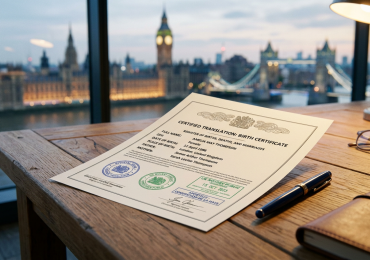
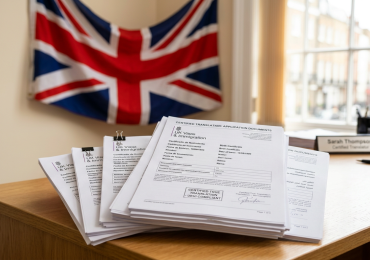
When applying for a UK passport, one of the essential documents required is a birth certificate. For individuals born outside the UK, a translated version of the birth certificate is often necessary. This requirement stems from the need for the UK authorities, particularly the HM Passport Office, to verify the applicant’s identity and citizenship status. A birth certificate translation for UK passport applications serves as a legal document that confirms the applicant’s details, such as their name, date of birth, and place of birth, in a language that is understandable to the officials reviewing the application.
Failing to provide a translated birth certificate can lead to significant consequences. The most immediate impact is the potential delay in the passport application process. Without a properly translated document, applications may be returned or rejected, requiring applicants to resubmit their documents, which can extend the waiting period for a passport significantly. In some cases, applicants may even miss important deadlines, such as travel plans or job opportunities, due to these delays.
Moreover, the lack of a certified translation can raise red flags about the authenticity of the documents submitted. UK authorities are stringent about document verification, and any discrepancies or missing translations can lead to further scrutiny or even legal complications. Therefore, ensuring that your birth certificate is accurately translated and meets the requirements set by the HM Passport Office is crucial for a smooth application process.
HM Passport Office Translation Requirements
The HM Passport Office has specific requirements regarding the translation of documents, including birth certificates. Understanding these requirements is vital to ensure that your application is processed without unnecessary delays. Firstly, the translation must be carried out by a certified translator or a translation service that is recognized by the UK authorities. This means the translator should be qualified and experienced in translating legal documents, ensuring accuracy and compliance with legal standards.
In addition to being certified, the translated document must include certain elements to be accepted by the HM Passport Office. These elements typically include:
- The translator’s name and contact information: This provides a point of contact for the authorities if they need to verify the translation.
- A statement of accuracy: The translator must include a declaration that the translation is a true and accurate representation of the original document.
- The date of the translation: This helps to establish the timeliness of the document.
- The translator’s qualifications: This can include their credentials or any relevant certifications that demonstrate their ability to translate official documents.
Furthermore, the translated birth certificate must be in English, as this is the language used by the HM Passport Office. If the original document is in a non-Latin script, such as Arabic or Chinese, it is essential to ensure that the translation is not only accurate but also formatted correctly to match the original document’s structure. This includes maintaining the layout, headings, and any official seals or stamps that may be present on the original birth certificate.
Failure to comply with these requirements can result in the rejection of the application, so it is advisable to consult the HM Passport Office guidelines or a professional translation service to ensure all criteria are met.
Steps to Translate Your Birth Certificate for a UK Passport
Translating your birth certificate for a UK passport application involves several important steps. Following these steps carefully can help ensure that your application is processed smoothly and efficiently.
- Finding a Certified Translator: The first step is to locate a certified translator or a translation service that specializes in legal documents. It is crucial to choose a translator who is familiar with the specific requirements of the HM Passport Office. You can search online for certified translation services or ask for recommendations from friends or family who have undergone a similar process.
- Submitting Your Documents: Once you have selected a translator, you will need to provide them with your original birth certificate along with any supporting documents required for the translation. This may include proof of identity, such as a passport or national ID card. Ensure that you communicate any specific requirements from the HM Passport Office to the translator, so they can tailor the translation accordingly.
- Reviewing the Translation: After the translator has completed the translation, review the document carefully. Check for any inaccuracies or omissions, as even minor errors can lead to complications during the application process. If possible, have someone else review the translation as well to ensure its accuracy.
- Obtaining Certification: The translator should provide a certification statement along with the translated document. This statement should confirm that the translation is accurate and complete. Keep this document safe, as it will need to be submitted with your passport application.
- Submitting Your Passport Application: With your translated birth certificate and other required documents in hand, you can now proceed to submit your passport application to the HM Passport Office. Ensure that all documents are organized and clearly labeled to facilitate the processing of your application.
The timeline for translation can vary depending on the service provider and the complexity of the document. Typically, a standard translation may take 3 to 5 business days. However, if you require expedited services, many translation agencies offer faster turnaround times for an additional fee. Be sure to discuss your timeline needs with the translator upfront.
Choosing the Right Translation Service
When it comes to selecting a translation service for your birth certificate, several factors should be considered to ensure you receive a high-quality translation that meets the HM Passport Office’s requirements.
- Certification and Accreditation: Ensure that the translation service is accredited and employs certified translators who are experienced in translating legal documents. Look for reviews or testimonials from previous clients to gauge their reliability and quality of work.
- Specialization: Choose a service that specializes in birth certificate translations or legal document translations. This specialization often means they are more familiar with the specific requirements and nuances involved in such translations.
- Turnaround Time: Inquire about the typical turnaround time for translations. If you have a tight deadline for your passport application, make sure the service can accommodate your timeline. Many services offer expedited options, but these may come at an additional cost.
- Cost Considerations: While cost should not be the only factor in your decision, it is essential to find a translation service that fits your budget. Compare prices from multiple providers, but be wary of services that offer significantly lower prices, as this may indicate lower quality or lack of certification.
- Customer Support: A good translation service should provide excellent customer support. They should be responsive to your inquiries and willing to guide you through the process. This support can be invaluable, especially if you have questions about specific requirements or need assistance with document submission.
By carefully evaluating these factors, you can select a translation service that will provide you with a reliable and accurate birth certificate translation for your UK passport application.
Common Mistakes to Avoid in Birth Certificate Translation
- Using Non-Certified Translators: One of the most significant mistakes is opting for a non-certified translator. The HM Passport Office requires translations to be completed by certified professionals. Using a non-certified translator can result in your application being rejected.
- Ignoring Formatting Requirements: The format of the translated document should closely resemble the original birth certificate. Failing to maintain the layout, headings, or any official seals can raise concerns about the authenticity of the translation.
- Overlooking Accuracy: Even minor errors in translation can have significant consequences. Ensure that all names, dates, and places are accurately translated. It is advisable to have someone else review the translation for any potential mistakes.
- Not Providing Necessary Supporting Documents: Some translators may require additional documents to complete the translation accurately. Ensure you provide all necessary paperwork to avoid delays.
- Delaying the Translation Process: Start the translation process as early as possible to avoid rushing at the last minute. Delays in obtaining the translated document can impact your passport application timeline.
By avoiding these common mistakes, you can ensure that your birth certificate translation is accurate and meets the necessary requirements for your UK passport application.
Frequently Asked Questions about Birth Certificate Translation
What documents are needed for birth certificate translation?
To translate your birth certificate, you will typically need to provide the following documents:
- Original birth certificate: This is the document that needs to be translated.
- Proof of identity: This can be a passport or national ID card to verify your identity.
- Any additional supporting documents: Depending on the translator’s requirements, you may need to provide other documents to assist with the translation.
How long does the translation process take?
The translation process typically takes around 3 to 5 business days. However, if you require expedited services, many translation agencies offer faster turnaround times for an additional fee. Factors that can affect timing include the complexity of the document and the workload of the translator.
Can I use a non-certified translation for my passport application?
No, only certified translations are accepted by the HM Passport Office. It is crucial to use accredited translators to ensure that your translation meets the necessary legal standards.
What if my birth certificate is in a non-Latin script?
If your birth certificate is in a non-Latin script, such as Arabic or Chinese, you will need to find specialized translators who are experienced in translating such documents. These translators will also be aware of any additional requirements for translating non-Latin scripts.
How to ensure my translation is accepted by the HM Passport Office?
To ensure your translation is accepted, verify the translator’s credentials and ensure they are certified. Follow the HM Passport Office guidelines closely and request a certification statement from the translator confirming the accuracy of the translation.