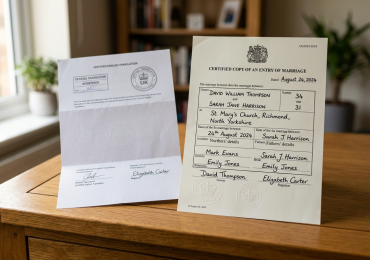
Understanding the Certified Translation for Dependant Visa UK
A certified translation is an official translation that is recognized by authorities for legal purposes. This type of translation is essential for various immigration processes, including applying for a dependant visa in the UK. The importance of certified translations cannot be overstated, as they ensure that the documents submitted are accurate, complete, and meet the criteria set forth by the UK Home Office.
When applying for a dependant visa, individuals often need to provide a range of documents that may not be in English. These documents could include marriage certificates, birth certificates, and financial statements. A certified translation guarantees that these documents are translated by a qualified professional who adheres to specific standards, thus enhancing the credibility of the application.
Moreover, the UK Home Office requires that all non-English documents be accompanied by a certified translation. This requirement is in place to prevent misinterpretations or misunderstandings that could arise from poorly translated documents. The certified translator must provide a signed statement confirming the accuracy of the translation, along with their qualifications. This statement is crucial as it serves as a guarantee to the authorities that the translation is both precise and reliable.
In summary, certified translations play a pivotal role in the dependant visa application process in the UK. They not only fulfill legal requirements but also contribute to the overall success of the application by ensuring that all submitted documents are comprehensible and correctly interpreted by immigration officials.
Dependant Visa Translation Requirements in the UK
Applying for a dependant visa in the UK involves a detailed process, and one of the critical components is ensuring that all necessary documents are translated into English. The UK Home Office has specific requirements regarding which documents need to be translated and how these translations should be handled.
Here is a list of the common documents that typically require translation for a dependant visa:
- Marriage Certificates: Proof of marriage is essential for spouses applying for a dependant visa.
- Birth Certificates: These documents are necessary for children applying as dependants.
- Financial Documents: This includes bank statements, pay slips, and tax returns to demonstrate financial stability.
- Proof of Relationship: Any documents that establish the relationship between the applicant and the dependant, such as joint bank accounts or utility bills.
In addition to the types of documents, the UK Home Office has specific requirements for translations:
- Accuracy: Translations must be accurate and reflect the original document’s content without any omissions or alterations.
- Completeness: Every part of the document must be translated, including any stamps or seals.
- Translator’s Qualifications: The translator must provide a signed statement confirming their qualifications and the accuracy of the translation.
- Certification: The translation must be certified, meaning it is done by a qualified professional who can attest to its accuracy.
It is also important to note that the Home Office may reject applications if the translations do not meet these standards. Therefore, applicants should ensure they use professional translation services that specialize in certified translations for immigration purposes.
How to Translate Documents for Dependant Visa
The process of translating documents for a dependant visa can be straightforward if approached methodically. Here’s a step-by-step guide to ensure that all documents are translated correctly and meet the necessary requirements:
- Identify Required Documents: Begin by reviewing the list of documents needed for the dependant visa application. Ensure you have all original documents that require translation.
- Choose a Certified Translator: Look for a translator or translation service that specializes in certified translations for immigration. Verify their credentials and experience in translating legal documents.
- Provide Original Documents: Send the original documents to the translator. Ensure that they understand any specific requirements for the translation.
- Review the Translation: Once the translation is complete, review it for accuracy. If possible, have someone else who is fluent in both languages check the translation.
- Obtain Certification: The translator must provide a signed statement confirming the accuracy of the translation and their qualifications. This statement is essential for the visa application.
- Submit Translated Documents: Include the certified translations along with your visa application. Ensure that all documents are organized and clearly labeled.
Choosing the right certified translator is crucial. Look for professionals who have experience with UK immigration documents and can provide references or testimonials from previous clients. Additionally, ensure that the translator is familiar with the specific requirements set by the UK Home Office.
Types of Documents Needing Translation for Family Dependant Visa
When applying for a family dependant visa, several types of documents may require translation. Understanding which documents need to be translated can help streamline the application process.
- Marriage Certificates: Essential for spouses applying for a dependant visa. The translation must accurately reflect the details of the marriage, including the names of both parties and the date of marriage.
- Birth Certificates: Required for children applying as dependants. This document must include the child’s name, date of birth, and parentage details.
- Financial Documents: Translations of financial documents such as bank statements, pay slips, and tax returns are crucial to demonstrate financial stability and support for the dependant.
- Proof of Relationship: Documents that establish the relationship between the applicant and the dependant, such as joint bank accounts or utility bills, may also need to be translated.
- Medical Records: If applicable, medical records may need translation to provide context for any health-related issues that could affect the visa application.
It is important to ensure that all translations are accurate and complete. Any discrepancies or errors in translation can lead to delays or rejections of the visa application. Therefore, utilizing professional translation services with expertise in immigration documents is advisable.
Spouse Dependant Visa Translation: Key Considerations
When applying for a spouse dependant visa, there are specific documents that require translation, and certain common mistakes should be avoided to ensure a smooth application process.
Key documents for a spouse dependant visa include:
- Marriage Certificate: This is the most critical document. Ensure that the translation includes all relevant details, such as the names of both spouses, the date of marriage, and the place of marriage.
- Proof of Cohabitation: Joint utility bills, rental agreements, or bank statements showing both names can help establish the relationship.
- Financial Evidence: Translations of pay slips, bank statements, and tax returns are necessary to prove financial stability.
Common mistakes to avoid in translations include:
- Inaccurate Translations: Ensure that the translator accurately captures the meaning of the original document without omissions or errors.
- Incomplete Translations: All parts of the document, including seals and stamps, must be translated.
- Lack of Certification: Always obtain a certified translation to meet UK Home Office requirements.
By being aware of these considerations and ensuring that all documents are translated correctly, applicants can enhance their chances of a successful spouse dependant visa application.
The Role of Certified Translation Services in Visa Applications
Utilizing certified translation services can significantly impact the success of a dependant visa application. Here are some benefits of using professional services:
- Expertise: Certified translation services employ translators who are experienced in legal and immigration documents, ensuring that translations meet all necessary requirements.
- Accuracy and Reliability: Professional translators provide accurate translations that reflect the original documents, reducing the risk of misinterpretation by immigration officials.
- Time Efficiency: Professional services can often complete translations more quickly than individuals attempting to do it themselves, which is crucial when facing application deadlines.
- Compliance with Regulations: Certified translation services are familiar with the specific requirements set by the UK Home Office, ensuring that all translations comply with current regulations.
In addition to these benefits, certified translations enhance the credibility of the application. When immigration officials see that documents have been professionally translated, they are more likely to trust the information provided. This can lead to a smoother application process and a higher likelihood of approval.
Frequently Asked Questions about Dependant Visa Translation
What is a certified translation for dependant visa?
A certified translation is an official translation that is recognized by authorities for legal purposes.
What documents need to be translated for a dependant visa?
Marriage certificates, birth certificates, and financial documents are typically required.
How do I choose a certified translator?
Look for translators with accreditation, experience in visa translations, and positive reviews.
Are there specific requirements for translations set by the UK Home Office?
Yes, translations must be accurate, complete, and include the translator’s qualifications.
Can I translate my own documents for a dependant visa?
No, self-translations are not accepted; a certified translator must perform the translation.