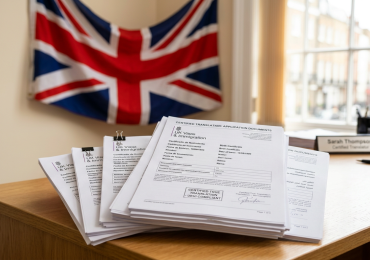
Understanding the Importance of Arabic Document Translation for UK Immigration
When applying for immigration to the UK, the translation of Arabic documents is not just a helpful addition; it is often a legal requirement. The UK Visas and Immigration (UKVI) department mandates that all documents submitted as part of an immigration application must be in English. This includes any documents originally written in Arabic. Failing to provide accurate translations can lead to significant delays in processing applications or, worse, outright rejection.
Improper translations can have serious consequences. For instance, if a birth certificate or marriage certificate is mistranslated, it could lead to misunderstandings regarding an applicant’s identity or marital status. Such errors can jeopardize an entire immigration case, causing applicants to miss out on opportunities or face legal complications. Therefore, it is crucial to ensure that translations are not only accurate but also certified to meet UKVI standards.
Moreover, the importance of using a certified translation service cannot be overstated. Certified translations provide a guarantee that the translated documents are true and accurate representations of the originals, which is essential for legal purposes. This certification is often accompanied by a statement from the translator, affirming their qualifications and the accuracy of the translation. In the context of UK immigration, this certification is a critical component of the application process.
Types of Arabic Documents Commonly Required for UK Immigration
When navigating the UK immigration process, several types of Arabic documents may need to be translated. Understanding these documents is essential for ensuring that all necessary translations are completed accurately and on time. Here are some of the most commonly required documents:
- Birth Certificates: A birth certificate is often required to verify an applicant’s identity and age. It must be accurately translated to reflect the details in the original document, including names, dates, and places of birth.
- Marriage Certificates: For applicants who are married, a marriage certificate is essential. This document must demonstrate the legal status of the marriage and may be required for spousal visa applications. Accurate translation is crucial to avoid any misinterpretation of marital status.
- Educational Qualifications: Documents such as diplomas, degrees, and transcripts are often required for visa applications, particularly for students or professionals seeking to work in the UK. These translations must reflect the qualifications accurately and include details such as the institution’s name, dates attended, and the degree awarded.
- Employment Letters: For those applying for work visas, letters from employers confirming employment history, job titles, and responsibilities are vital. These letters must be translated to ensure that the information aligns with UK employment standards.
Each of these documents plays a crucial role in the immigration process, and ensuring their accurate translation can significantly impact the outcome of an application. Therefore, it is advisable to work with a professional translation service that specializes in immigration-related documents.
How to Translate Arabic Documents for UKVI
Translating Arabic documents for UKVI involves several critical steps to ensure accuracy and compliance with immigration requirements. Here’s a comprehensive guide to navigating this process:
- Identify Required Documents: Begin by identifying which documents need translation. Review the UKVI guidelines to ensure you have all necessary paperwork.
- Choose a Certified Translator: It is essential to select a translator who is certified and experienced in translating Arabic documents for UK immigration. Look for translators who are members of recognized professional bodies, such as the Institute of Translation and Interpreting (ITI) or the Association of Translation Companies (ATC).
- Provide Clear Instructions: When submitting your documents for translation, provide clear instructions regarding the required format and any specific details that must be included. This may involve specifying that the translation must be a literal translation or that it should include additional context for clarity.
- Review the Translations: Once the translations are completed, review them carefully. Ensure that all names, dates, and other critical information are accurate. If possible, have a second party review the translations as well.
- Obtain Certification: Ensure that the translator provides a certification statement with the translated documents. This statement should affirm that the translation is accurate and complete to the best of the translator’s knowledge.
- Submit Translated Documents: Finally, submit the translated documents along with your immigration application. Ensure that they are included in the correct order and format as specified by UKVI.
By following these steps, you can ensure that your Arabic documents are accurately translated and meet the necessary requirements for UK immigration.
The Role of the Home Office in Document Translation
The Home Office plays a pivotal role in overseeing the translation of documents for immigration purposes. Understanding their guidelines is essential for ensuring compliance and avoiding common pitfalls:
The Home Office requires that all translated documents be accurate, complete, and certified. This means that any translations submitted must reflect the original documents without any omissions or alterations. The guidelines emphasize the importance of using professional translation services that are familiar with the specific requirements for UK immigration.
When submitting translated documents, applicants must ensure that they are accompanied by a certification statement from the translator. This statement should include the translator’s qualifications, the date of the translation, and a declaration of accuracy. Failure to provide this certification can lead to delays or rejections of applications.
Common pitfalls to avoid include:
- Submitting non-certified translations, which are often rejected by the Home Office.
- Overlooking the need for translations of supporting documents, such as bank statements or proof of residency.
- Failing to ensure that all names and details are accurately reflected in the translation, which can lead to confusion or disputes.
By adhering to the Home Office guidelines and avoiding these pitfalls, applicants can enhance their chances of a successful immigration application.
Arabic Visa Document Translation: What You Need to Know
For those applying for a visa to enter the UK, understanding the specific requirements for Arabic document translation is crucial. Each type of visa may have different documentation requirements, but there are common elements that applicants should be aware of:
Specific documents required for visa applications typically include:
- Passport: A valid passport must be translated if it contains information in Arabic. This includes personal details, expiration dates, and any relevant visa stamps.
- Financial Documents: Bank statements and financial records may need to be translated to demonstrate financial stability. Accuracy in these translations is vital, as discrepancies can raise red flags during the application review.
- Proof of Accommodation: Documents showing where you will be staying in the UK, such as rental agreements or hotel bookings, should also be translated if they are in Arabic.
Translation accuracy is paramount, as any errors can significantly impact visa approval. For instance, if a financial document inaccurately reflects the applicant’s financial situation, it could lead to a denial based on perceived financial instability. Therefore, it is advisable to work with a certified translation service that specializes in Arabic visa document translation.
Choosing the Right Translation Service for Arabic Documents
Selecting the right translation service for Arabic documents is a critical decision that can influence the success of your immigration application. Here are several factors to consider when making your choice:
- Certification: Ensure that the translation service provides certified translations that meet UKVI standards. Look for services that are accredited by recognized bodies.
- Experience: Choose a service with experience in translating immigration documents. They should be familiar with the specific requirements set by UKVI and the Home Office.
- Reviews and Testimonials: Research client reviews and testimonials to gauge the quality of the service. Positive feedback from previous clients can provide insights into the reliability and accuracy of the translations.
- Cost vs. Quality: While cost is an important factor, it should not be the sole consideration. Opt for a service that offers a balance between affordability and quality. Remember that low-cost services may compromise on accuracy, which can be detrimental to your immigration application.
By carefully evaluating these factors, you can select a translation service that meets your needs and enhances your chances of a successful application.
Common Challenges in Arabic Document Translation
Translating Arabic documents presents unique challenges that can complicate the process. Understanding these challenges can help applicants prepare for potential issues:
- Language Nuances and Dialects: Arabic is a rich language with numerous dialects, and translations may vary significantly depending on the dialect used in the original document. Ensuring that the translator understands the specific dialect is crucial for accuracy.
- Cultural Considerations: Cultural context can influence the meaning of certain phrases or terms. A translator must be culturally aware to provide an accurate translation that reflects the intended meaning.
- Technical Terminology: Many documents, especially legal or medical ones, contain technical terminology that requires specialized knowledge. It is essential to choose a translator who is familiar with the relevant field to ensure accurate translations.
By being aware of these challenges, applicants can take proactive steps to mitigate potential issues, such as selecting translators with specific expertise in the relevant subject matter.
Tips for a Smooth Document Translation Process
To facilitate a smooth document translation process, consider the following tips:
- Prepare Documents Thoroughly: Ensure that all documents are complete and legible before submitting them for translation. Any missing pages or unclear text can lead to inaccuracies.
- Communicate Clearly with Your Translator: Provide detailed instructions regarding the translation requirements. Discuss any specific terms or phrases that are particularly important to you.
- Review Translated Documents Carefully: Once you receive the translated documents, review them thoroughly for accuracy. Look for any discrepancies in names, dates, or other critical information.
By following these tips, you can enhance the efficiency and accuracy of the translation process, ultimately supporting a successful immigration application.
Frequently Asked Questions about Arabic Document Translation for UK Immigration
What is the cost of translating Arabic documents?
Costs vary based on document type and service provider. It is advisable to request quotes from multiple translation services to compare prices.
How long does the translation process take?
Typically ranges from a few days to a week, depending on document complexity and the service provider’s workload.
Do I need a certified translator for UK immigration?
Yes, translations must be done by certified professionals to meet UKVI standards. This ensures that the translations are accurate and legally recognized.
What documents require translation for UK immigration?
Common documents include birth certificates, marriage certificates, educational qualifications, and employment letters.
Can I translate documents myself for UK immigration?
Self-translations are generally not accepted; certified translations are required to ensure accuracy and compliance with UKVI standards.