Understanding International Adoption Translation
International adoption is a complex process that involves various legal requirements, including the need for certified translations of numerous documents. The importance of certified translation in adoption cannot be overstated, as it ensures that all parties involved—adoptive parents, agencies, and foreign authorities—understand the documents accurately. Certified translations provide a guarantee that the translated documents are complete and accurate, which is crucial in legal contexts where any discrepancies can lead to delays or even denial of the adoption application.
In the UK, the legal requirements for adoption document translation are stringent. The Home Office mandates that all documents submitted for international adoption must be translated into English by a certified translator. This includes documents such as birth certificates, marriage certificates, and home studies. The certified translation must also include a signed statement from the translator, affirming that the translation is accurate and complete. This statement is essential for the documents to be accepted by UK authorities, as it assures them that the translation meets the necessary legal standards.
Moreover, the significance of certified translation extends beyond mere compliance with legal requirements. It plays a vital role in ensuring that all information is conveyed accurately, which is particularly important when it comes to sensitive matters such as the child’s background, medical history, and legal rights. Misinterpretations or errors in translation can lead to serious consequences, including the potential for the adoption to be challenged or invalidated. Therefore, engaging a professional translation service that specializes in adoption documents is crucial for prospective adoptive parents.
What Documents Require Translation for Adoption?
When it comes to international adoption, a variety of documents require translation to ensure compliance with both UK and foreign legal standards. The types of adoption papers needing translation typically include:
- Birth Certificates: Essential for verifying the identity and age of the child.
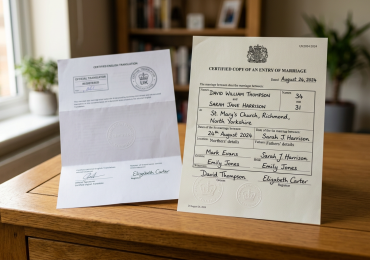
- Marriage Certificates: Required to confirm the marital status of the adoptive parents.
- Home Studies: Detailed reports assessing the suitability of the adoptive parents.
- Legal Consent Forms: Documents that demonstrate the biological parents’ consent to the adoption.
- Criminal Background Checks: Necessary for ensuring the safety of the child.
For intercountry adoption, specific documents may vary depending on the country of origin. For instance, some countries may require additional documentation such as:
- Medical Reports: To provide information about the child’s health.
- Adoption Decrees: Legal documents that formalize the adoption in the child’s country.
- Proof of Income: To demonstrate the financial capability of the adoptive parents.
Each of these documents must be translated accurately to avoid any potential issues during the adoption process. The translation must not only be linguistically accurate but also culturally relevant, ensuring that the nuances of the original documents are preserved.
The Process of Translating Adoption Dossiers
The translation of adoption dossiers involves several key steps to ensure that all documents are accurately translated and meet the necessary legal requirements. The process typically includes:
- Document Collection: Gather all necessary documents that require translation, including original copies and any supporting materials.
- Initial Assessment: A certified translator reviews the documents to determine the scope of work and any specific requirements for translation.
- Translation: The translator works on converting the documents into English, ensuring that all details are accurately represented.
- Quality Assurance: After translation, the documents undergo a thorough review process to check for accuracy and completeness.
- Certification: The translator provides a signed statement certifying the accuracy of the translation, which is crucial for legal acceptance.
However, there are common challenges faced during the translation process. One significant challenge is the use of legal terminology, which may not have direct equivalents in English. This requires translators to have a deep understanding of both legal systems involved. Additionally, cultural differences can impact the translation, necessitating careful consideration to ensure that the translated documents are culturally appropriate and legally compliant.
Another challenge can arise from the varying formats of documents from different countries. For example, some countries may have unique formats for birth certificates or marriage licenses that do not align with UK standards. Translators must navigate these differences to ensure that the translated documents are not only accurate but also formatted correctly for submission to UK authorities.
Choosing the Right Translation Service
Choosing the right translation service for international adoption is a critical decision that can significantly impact the success of the adoption process. When selecting a certified translator, several qualities should be considered:
- Certification: Ensure that the translator or translation service is certified and recognized by relevant authorities, such as the Home Office.
- Experience: Look for translators who have specific experience in translating adoption documents and are familiar with the legal requirements involved.
- Language Proficiency: The translator should be fluent in both the source and target languages, with a strong grasp of legal terminology.
- Quality Assurance Processes: A reputable translation service will have a quality assurance process in place to review translations for accuracy and completeness.
- Client Testimonials: Check for reviews and testimonials from previous clients to gauge the reliability and quality of the service.
To verify translator credentials, prospective adoptive parents can take several steps:
- Request Documentation: Ask for proof of certification and any relevant qualifications.
- Check References: Contact previous clients to inquire about their experiences with the translator or service.
- Review Samples: Request samples of previous translations to assess the quality of work.
By taking the time to thoroughly evaluate potential translation services, adoptive parents can ensure that their documents are handled by professionals who understand the complexities of international adoption translation.
Hague Adoption Convention and Translation Requirements
The Hague Adoption Convention is an international treaty designed to protect the rights of children and ensure that intercountry adoptions are conducted in a safe and ethical manner. Under this convention, specific translation requirements must be met to facilitate the adoption process. The key aspects of the Hague Convention related to translation include:
- Legal Documentation: All legal documents related to the adoption must be translated into the language of the receiving country, which in the case of the UK is English.
- Certification of Translations: Translations must be certified by a qualified translator, ensuring that they are accurate and complete.
- Compliance with Local Laws: The translated documents must comply with the legal requirements of both the sending and receiving countries.
Additionally, the Hague Convention emphasizes the importance of transparency and accuracy in the adoption process. This means that any discrepancies in translated documents can lead to complications or delays. Therefore, it is crucial for adoptive parents to work with translators who are not only skilled linguistically but also knowledgeable about the legal frameworks governing adoption in both countries.
Cost and Timeframe for Translation Services
The cost and timeframe for translation services can vary significantly based on several factors. Understanding these factors can help adoptive parents plan accordingly and budget for the necessary translations. Key factors influencing translation costs include:
- Document Length: Longer documents will naturally incur higher translation costs due to the increased time and effort required.
- Language Pair: Some languages may require more specialized knowledge, which can affect pricing.
- Urgency of Service: If translations are needed on a tight deadline, expedited services may come at a premium.
Typical turnaround times for adoption document translation can range from a few days to a couple of weeks, depending on the complexity of the documents and the workload of the translation service. It is advisable for adoptive parents to communicate their timelines clearly when engaging a translation service to ensure that all documents are ready in time for submission.
Furthermore, it is essential to consider the potential costs associated with delays in translation. If documents are not submitted on time due to translation issues, it could prolong the adoption process, leading to additional emotional and financial strain on the adoptive family.
Frequently Asked Questions
What is international adoption translation?
International adoption translation refers to the translation of documents required for adopting a child from another country.
Why do I need certified translation for adoption papers?
Certified translation is necessary to ensure legal acceptance and accuracy of documents in the adoption process.
How long does it take to translate adoption documents?
Typically, it can take anywhere from a few days to a couple of weeks depending on the service.
What types of documents need to be translated for intercountry adoption?
Documents that need translation include birth certificates, marriage certificates, home studies, and legal consent forms.
What are the costs associated with certified translation for adoption?
Costs vary based on document length, language pair, and urgency of service.