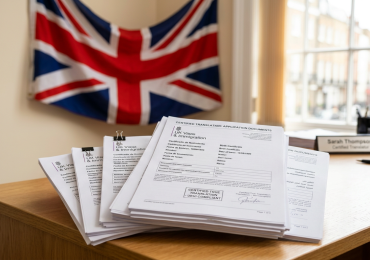
Understanding Overseas Employment Translation
Overseas employment translation refers to the process of converting documents related to job applications, contracts, and qualifications from one language to another. This type of translation is crucial for individuals seeking employment in foreign countries, as it ensures that potential employers can accurately assess qualifications and experience. Accurate translation is not merely a matter of convenience; it can significantly impact a candidate’s chances of securing a job. For instance, a poorly translated resume could lead to misunderstandings about a candidate’s skills or experience, potentially costing them a job opportunity.
In the competitive landscape of international job markets, where employers often receive applications from candidates worldwide, presenting clear and professionally translated documents is essential. Misinterpretations due to language barriers can result in lost opportunities or even legal complications if contracts are not accurately conveyed. Therefore, investing in professional translation services is not just advisable; it is a necessity for anyone pursuing overseas employment.
Types of Documents That Require Translation
When applying for jobs abroad, various types of documents may require translation. Understanding which documents need to be translated is vital for a successful job application process. Here are the key documents that typically require translation:
- Employment Contracts: These documents outline the terms of employment, including job responsibilities, salary, and benefits. Accurate translation is crucial to ensure that both parties understand their obligations.
- Academic Qualifications: Degrees, diplomas, and transcripts must be translated to validate educational credentials. Employers often require these documents to assess the applicant’s educational background.
- Professional Certifications: Certifications related to specific skills or professions, such as IT certifications or medical licenses, need to be translated to demonstrate qualifications for the job.
- Personal Identification Documents: Passports, national IDs, and other identification documents may need translation for verification purposes during the hiring process.
Each of these document types plays a significant role in the employment application process, and ensuring their accuracy through professional translation can enhance the candidate’s prospects of landing a job abroad.
Key Requirements for Document Translation
In the UK, several key requirements must be met when translating documents for overseas employment. Understanding these legal and procedural requirements is essential for ensuring that your translations are accepted by employers and authorities. Here are the main considerations:
- Legal Requirements: The UK has specific regulations regarding document translation, particularly for legal and official documents. Translations must be accurate and may require certification to be considered valid.
- Certification and Notarization: Many employers require that translations be certified by a professional translator or translation service. This certification confirms that the translation is a true and accurate representation of the original document. In some cases, notarization may also be necessary, particularly for legal documents.
- Common Mistakes to Avoid: One of the most common mistakes in document translation is failing to include all relevant information or misinterpreting legal terminology. It is crucial to work with experienced translators who understand the nuances of both languages and the specific terminology related to the documents being translated.
By adhering to these requirements, candidates can ensure that their translated documents meet the necessary standards for overseas employment applications.
How to Choose a Translation Service
Selecting the right translation service is critical for ensuring the accuracy and professionalism of your translated documents. Here are several factors to consider when choosing a translation service:
- Experience and Specialization: Look for a translation service that specializes in employment-related documents and has experience in your specific industry. This ensures that the translators are familiar with the terminology and nuances relevant to your field.
- Quality Assurance Processes: Inquire about the quality assurance processes in place. A reputable translation service should have a system for proofreading and reviewing translations to ensure accuracy.
- Customer Reviews and Testimonials: Research customer feedback and testimonials to gauge the service’s reliability and quality. Positive reviews from previous clients can provide insight into the service’s performance.
- Questions to Ask: When contacting potential translation providers, ask about their certification process, turnaround times, and any guarantees they offer regarding the accuracy of their translations.
By carefully evaluating these factors, you can select a translation service that meets your needs and helps you present your qualifications effectively.
Employment Verification Translation in the UK
Employment verification translation is the process of translating documents that confirm an individual’s employment history. This type of translation is essential for job applications in foreign countries, as employers often require verification of previous employment to assess a candidate’s qualifications and experience.
Why is employment verification translation so critical? Many employers use this information to ensure that candidates have the experience they claim. Inaccurate or incomplete translations can lead to misunderstandings and may even result in job offers being rescinded. To obtain verified translations, candidates should work with certified translation services that specialize in employment verification. These services ensure that the translated documents meet the necessary legal and professional standards required by employers.
Overseas Job Translation Requirements
Different countries have varying requirements for document translation when applying for jobs. Understanding these specific requirements is crucial for ensuring that your application is complete and compliant. Here are some key points to consider:
- Country-Specific Requirements: Research the translation requirements for the country where you are applying for a job. Some countries may require specific formats, certifications, or notarizations for translated documents.
- Preparing Documents for Translation: Gather all necessary documents and ensure they are complete and legible before submitting them for translation. This includes checking for any missing pages or signatures.
- Timeline for Translations: Allow ample time for the translation process. Depending on the complexity and length of the documents, translations can take anywhere from a few days to several weeks. Planning ahead can prevent delays in your job application.
By understanding these requirements, candidates can better prepare their documents for translation and enhance their chances of success in securing overseas employment.
Cost Considerations for Document Translation
The cost of document translation can vary significantly based on several factors. Understanding these cost considerations can help you budget effectively for translation services. Here are some key factors that influence translation costs:
- Document Type: Different types of documents may have varying costs associated with their translation. For example, legal documents often require more specialized knowledge and may be priced higher than standard documents.
- Complexity and Length: The complexity of the language used and the length of the document can also impact the cost. Longer and more complex documents typically require more time and expertise to translate.
- Average Price Ranges: On average, translation costs in the UK can range from £50 to £150 per document, depending on the factors mentioned above. It is advisable to obtain quotes from multiple translation services to compare prices.
By considering these factors, candidates can create a realistic budget for their translation needs and avoid unexpected expenses.
Tips for a Smooth Translation Process
To ensure a smooth translation process, candidates should take several proactive steps. Here are some tips to help facilitate the translation of documents for overseas employment:
- Gather Necessary Documents: Compile all relevant documents before initiating the translation process. This includes employment contracts, academic qualifications, and any other required paperwork.
- Communicate Effectively with Your Translator: Provide clear instructions and context to your translator. This can help them understand the purpose of the documents and ensure that the translations are accurate and relevant.
- Ensure Timely Delivery of Translations: Discuss timelines with your translation service upfront. Setting clear deadlines can help ensure that your translations are completed in time for your job applications.
By following these tips, candidates can enhance the efficiency and effectiveness of the translation process, ultimately improving their chances of success in securing overseas employment.
Conclusion: The Importance of Professional Translation
In conclusion, professional translation plays a vital role in the overseas employment process. From ensuring that employment contracts are accurately conveyed to validating academic qualifications, the significance of precise translations cannot be overstated. Candidates seeking employment abroad must recognize the importance of investing in quality translation services to enhance their prospects of success.
By understanding the types of documents that require translation, the key requirements for document translation, and how to choose the right translation service, candidates can navigate the complexities of overseas employment with confidence. Ultimately, the right translations can open doors to new opportunities and help individuals achieve their career goals on a global scale.
Frequently Asked Questions
What documents need translation for overseas employment?
Documents that typically need translation for overseas employment include employment contracts, academic records, and identification documents. These translations ensure that potential employers can accurately assess a candidate’s qualifications and experience.
How long does it take to translate documents for work abroad?
The time required to translate documents for work abroad depends on the complexity of the documents. On average, the turnaround time is usually between 3 to 5 business days, but this can vary based on the translation service and document length.
Are translated documents legally accepted for job applications?
Yes, translated documents are legally accepted for job applications if they are translated by certified professionals. It is essential to check the specific requirements of the country where you are applying to ensure compliance.
What is employment verification translation?
Employment verification translation involves translating documents that confirm an individual’s employment history. This type of translation is often required for job applications in foreign countries to validate a candidate’s work experience.
How much does document translation cost in the UK?
The cost of document translation in the UK varies by document type. On average, costs range from £50 to £150 per document, depending on factors such as complexity and length.