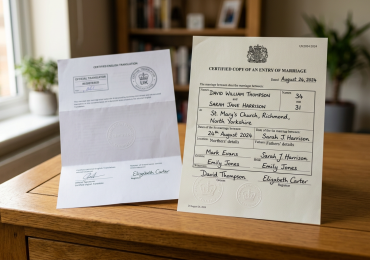

What is Immigration Translation?
Immigration translation refers to the process of translating documents that are required for immigration purposes, such as visa applications, residency permits, and citizenship applications. This type of translation is crucial because the accuracy and clarity of translated documents can significantly impact an individual’s ability to successfully navigate the immigration process. In the UK, authorities like the Home Office and UK Visas and Immigration (UKVI) have specific requirements regarding the translation of documents, which must be adhered to for applications to be considered valid.
The importance of immigration translation cannot be overstated. When applying for a visa or residency, applicants must provide various documents, including birth certificates, marriage certificates, academic transcripts, and financial statements. These documents often need to be translated into English by a certified translator to ensure that they meet the legal and procedural standards set by UK immigration authorities. Failure to provide properly translated documents can lead to delays, rejections, or complications in the immigration process.
Moreover, immigration translation is not just about converting text from one language to another; it involves understanding the context, cultural nuances, and legal terminology relevant to the immigration process. A professional translator must be well-versed in both the source and target languages, as well as the specific requirements of the immigration authorities to ensure that the translations are not only accurate but also acceptable. This is why choosing a qualified translation service is essential for anyone looking to immigrate to the UK.
Common Immigration Translation Questions
When it comes to immigration translation, individuals often have several questions regarding the requirements and processes involved. Here are some of the most common immigration translation questions:
- What documents require translation? Generally, any official document that is not in English and is needed for immigration purposes must be translated. This includes birth certificates, marriage certificates, academic records, police clearance certificates, and any other legal documents that support an immigration application.
- Who can provide certified translations? Certified translations must be performed by a qualified translator who is accredited by a recognized body, such as the Institute of Translation and Interpreting (ITI) in the UK. These translators are trained to produce translations that meet the specific standards required by immigration authorities, ensuring that the documents are accepted without issues.
Understanding these common questions can help streamline the immigration process and ensure that applicants are well-prepared when submitting their documents.
Visa Translation FAQ
Visa translation is a critical aspect of the immigration process, and it often raises specific questions among applicants. Here are some frequently asked questions regarding visa translation:
- What is a visa translation? A visa translation refers to the translation of documents that are required for a visa application. This can include personal identification documents, proof of relationship documents, and financial statements. The goal is to provide the immigration authorities with clear and accurate information in English.
- How to ensure accuracy in visa translations? To ensure accuracy in visa translations, it is essential to engage a certified translator who specializes in immigration documents. Additionally, applicants should provide the translator with all necessary context and any specific requirements from the immigration authorities. It may also be beneficial to have the translation reviewed by a second translator to catch any potential errors.
By addressing these questions, applicants can better understand the importance of accurate translations and the role they play in the visa application process.
Home Office Translation FAQ
The Home Office has specific requirements regarding the translation of documents submitted for immigration purposes. Here are some key questions related to Home Office translation:
- What does the Home Office require for translations? The Home Office requires that all translated documents be certified and include a signed declaration from the translator. This declaration should confirm that the translation is accurate and complete, and that the translator is qualified to provide such translations.
- How to submit translated documents to the Home Office? Translated documents must be submitted alongside the original documents as part of the immigration application. It is important to ensure that the translations are clearly labeled and organized to facilitate the review process by the Home Office.
Understanding these requirements can help applicants avoid common pitfalls and ensure that their submissions meet the necessary standards.
UKVI Immigration Translation FAQ
UKVI, or UK Visas and Immigration, has its own set of translation requirements that applicants must adhere to. Here are some frequently asked questions regarding UKVI immigration translation:
- What is UKVI and its translation requirements? UKVI is the division of the Home Office responsible for handling immigration applications. Its translation requirements state that any document not in English must be translated by a certified translator. Additionally, the translation must include a statement confirming the translator’s qualifications and that the translation is accurate.
- How to meet UKVI standards for translations? To meet UKVI standards, applicants should ensure that their translations are done by accredited translators and include all necessary certifications. It is also advisable to check the specific requirements outlined by UKVI for the type of visa being applied for, as different visas may have varying documentation requirements.
By being aware of UKVI’s translation requirements, applicants can better prepare their documentation and increase their chances of a successful application.
Immigration Document Translation Questions
Individuals often have questions about the types of documents that require translation for immigration purposes. Here are some common inquiries:
- What types of documents need translation for immigration? Common documents that need translation include birth certificates, marriage certificates, academic transcripts, police certificates, and any other legal documents that support an immigration application. It is essential to ensure that all relevant documents are translated to avoid delays in the application process.
- How to choose a reliable translation service? When selecting a translation service, it is important to look for providers who specialize in immigration translations and have a proven track record of success. Checking for certifications, client testimonials, and examples of previous work can help ensure that the service meets the necessary standards.
Addressing these questions can help applicants navigate the complexities of immigration document translation and make informed decisions about their translation needs.
Tips for Choosing a Translation Service
Choosing the right translation service is crucial for ensuring that immigration documents are accurately translated. Here are some tips to consider:
- What qualifications should a translator have? A qualified translator should have relevant certifications from recognized bodies, such as the Institute of Translation and Interpreting (ITI) or similar organizations. They should also have experience in translating immigration documents and be familiar with the specific requirements of UK immigration authorities.
- How to verify a translation service’s credibility? To verify a translation service’s credibility, applicants should check for client reviews, ask for references, and look for any industry accreditations. Additionally, it can be helpful to request a sample translation to assess the quality of their work.
By following these tips, applicants can ensure that they choose a reliable translation service that meets their immigration translation needs.
The Process of Immigration Translation
The process of immigration translation involves several steps to ensure that documents are accurately translated and meet the necessary standards. Here’s a breakdown of the typical process:
- Steps involved in getting documents translated: The first step is to gather all necessary documents that require translation. Next, applicants should research and select a qualified translation service. Once the service is chosen, the documents are submitted for translation, and the translator will begin the work. After the translation is completed, it is reviewed for accuracy before being returned to the applicant.
- Timeline for immigration translations: The timeline for immigration translations can vary based on the complexity and number of documents. Typically, translations can take anywhere from 3 to 7 business days. However, it is advisable to allow for additional time, especially if the documents are particularly complex or if there are many documents to be translated.
Understanding this process can help applicants plan accordingly and ensure that they meet all deadlines associated with their immigration applications.
Frequently Asked Questions
What documents need to be translated for immigration?
All official documents such as birth certificates, marriage certificates, and academic records.
How do I find a certified translator?
Look for translators accredited by recognized bodies, such as the Institute of Translation and Interpreting.
Can I translate my own documents for immigration?
No, self-translations are not accepted; a certified translator must perform the translation.
What is the turnaround time for immigration translations?
Typically ranges from 3 to 7 business days, depending on the document complexity.
Are there specific formatting requirements for translated documents?
Yes, translations must match the original document’s format and include a signed declaration from the translator.