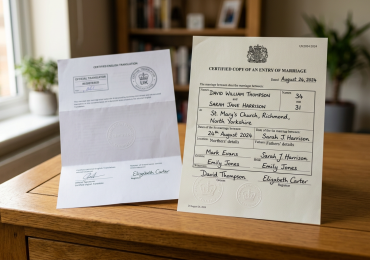
Understanding Certified Translations
A certified translation is a document that has been translated by a qualified professional and accompanied by a signed statement affirming the accuracy of the translation. This statement, often referred to as a certificate of accuracy, is crucial in legal and official contexts where the integrity of the translation is paramount. Certified translations are typically required for legal documents such as birth certificates, marriage certificates, academic transcripts, and immigration paperwork. The certification ensures that the translated text is a true and faithful representation of the original document, which is essential for legal validity.
The importance of certified translations cannot be overstated. Many institutions, including government agencies and educational institutions, require certified translations to accept documents from non-English speaking countries. For instance, if an individual is applying for a visa, the UK Home Office mandates that all supporting documents not in English must be accompanied by a certified translation. This requirement helps to prevent fraud and ensures that all parties have a clear understanding of the content, thereby facilitating smoother processing of applications.
Moreover, the use of certified translations extends beyond immigration and legal matters. Businesses often require certified translations for contracts, patents, and other official documents to ensure compliance with local laws and regulations. Inaccurate translations can lead to misunderstandings, legal disputes, and financial losses. Therefore, obtaining a certified translation is a critical step in ensuring that documents are recognized and accepted in their intended context.
Who Can Certify a Translation in the UK?
In the UK, only qualified professionals can certify translations. This typically includes certified translators who have undergone rigorous training and hold relevant qualifications. A certified translator is someone who is proficient in both the source and target languages and has a deep understanding of the cultural nuances that can affect translation accuracy.
Translation agencies also play a significant role in the certification process. Many agencies employ certified translators who can provide certified translations for a variety of documents. These agencies often have established protocols to ensure that the translations meet the required standards, including quality checks and adherence to legal requirements. When choosing a translation agency, it is essential to verify that they employ qualified translators and that they are familiar with the specific certification requirements for the documents in question.
Additionally, professional organizations such as the Chartered Institute of Linguists (CIOL) and the Institute of Translation and Interpreting (ITI) provide accreditation for translators. Membership in these organizations often signifies that the translator adheres to a code of ethics and professional standards, which adds an extra layer of credibility to their certified translations.
It is important to note that not all translators are qualified to certify translations. Individuals offering translation services without the necessary qualifications or accreditations cannot provide legally recognized certified translations. Therefore, it is crucial to ensure that the translator or agency you choose has the appropriate credentials to certify your documents.
Certified Translator UK Requirements
To become a certified translator in the UK, individuals must meet specific educational and professional requirements. Typically, this includes holding a degree in translation, linguistics, or a related field. Many certified translators also possess advanced degrees or specialized training in specific areas such as legal or medical translation, which enhances their expertise and marketability.
In addition to educational qualifications, professional memberships and accreditations are vital for certified translators. Organizations such as the CIOL and ITI require members to demonstrate their competence through examinations and adherence to professional standards. Membership in these organizations not only provides recognition but also offers access to resources, networking opportunities, and continued professional development.
Furthermore, many certified translators are required to maintain their professional status through continuous education. This can include attending workshops, seminars, and training sessions to stay updated on industry standards and practices. By doing so, certified translators ensure that they remain knowledgeable about the latest developments in translation techniques and legal requirements.
Ultimately, the combination of formal education, professional accreditation, and ongoing training establishes a robust foundation for certified translators, ensuring they are equipped to deliver high-quality, certified translations that meet the needs of clients across various sectors.
Certified Translation Signature Requirements in the UK
A valid signature on a certified translation is a critical component that signifies the authenticity and accuracy of the document. In the UK, the signature of the certified translator or an authorized representative of the translation agency must accompany the certified translation. This signature serves as a declaration that the translator has accurately translated the document to the best of their ability.
Common practices for signing certified translations include the inclusion of the translator’s name, qualifications, and contact information. Additionally, some translators may include their professional membership details, such as their CIOL or ITI membership number, to further validate their credentials. This information provides assurance to the recipient that the translation has been performed by a qualified professional.
It is also essential for the signature to be dated, as this indicates when the translation was completed. Some institutions may require that the translation be signed in ink, while others may accept electronic signatures, especially in the context of digital submissions. Therefore, it is advisable to check the specific requirements of the institution or organization requesting the certified translation to ensure compliance.
In summary, the signature on a certified translation is not merely a formality; it is a vital element that confirms the translation’s validity and the translator’s qualifications, thereby ensuring that the document can be accepted for legal and official purposes.
Professional Translator Certification in the UK
Professional translator certification in the UK is overseen by various bodies that establish standards and provide accreditation to qualified individuals. The most prominent organizations include the Chartered Institute of Linguists (CIOL) and the Institute of Translation and Interpreting (ITI). These organizations play a crucial role in promoting high standards of translation practice and ensuring that translators meet the necessary qualifications.
The CIOL offers a Chartered Linguist status, which is awarded to individuals who demonstrate a high level of competence in their language skills and professional practice. This status is recognized across the industry and serves as a mark of excellence, indicating that the translator adheres to a strict code of ethics and professional standards.
Similarly, the ITI provides a membership pathway that includes various levels of accreditation, from student membership to full membership for experienced professionals. Achieving ITI membership often involves passing rigorous assessments that evaluate a translator’s skills in both translation and interpretation.
Being a certified translator offers numerous benefits, including increased credibility and trust from clients. Certified translators are often preferred by organizations that require high-quality translations, as their qualifications provide assurance of accuracy and professionalism. Moreover, certification can lead to more job opportunities and higher earning potential, as many clients are willing to pay a premium for certified translations.
In conclusion, professional translator certification in the UK is essential for individuals seeking to establish themselves in the translation industry. It not only enhances their qualifications but also contributes to the overall integrity and quality of translation services available in the market.
Certified Translation Stamp Requirements
A certified translation stamp is an official mark that signifies a translation has been completed by a qualified professional. This stamp typically includes essential information such as the translator’s name, qualifications, and contact details, as well as the date of the translation. The stamp serves as a visual assurance that the translation is accurate and has been performed in accordance with industry standards.
Legal implications of using a stamp on translations are significant. Many institutions require a certified translation to bear a stamp to be considered valid. This is particularly true for legal documents submitted to courts, immigration authorities, or educational institutions. The stamp acts as a form of authentication, providing confidence that the translation has been completed by a qualified individual who adheres to professional standards.
It is important to note that the requirements for a certified translation stamp can vary depending on the institution or organization requesting the translation. Some may have specific guidelines regarding the format and content of the stamp, while others may accept translations without a stamp if accompanied by a signed certificate of accuracy. Therefore, it is advisable to confirm the specific requirements with the requesting party to ensure compliance.
In summary, a certified translation stamp is a crucial element that enhances the credibility of a translation. It provides legal assurance of the translation’s accuracy and professionalism, making it an essential component for documents that require certification.
How to Choose a Certified Translator
Selecting a qualified certified translator is a critical step in ensuring the accuracy and reliability of your translated documents. Here are some tips to help you make an informed choice:
- Check Qualifications: Ensure that the translator has the necessary educational background and professional certifications. Look for memberships in recognized organizations such as CIOL or ITI.
- Assess Experience: Inquire about the translator’s experience in the specific field related to your document, whether it be legal, medical, or technical. Specialized knowledge can significantly impact the quality of the translation.
- Request Samples: Ask for samples of previous work to evaluate the translator’s style and accuracy. This can provide insight into their capabilities and attention to detail.
- Understand the Process: Discuss the translation process with the translator or agency. Ensure they have quality control measures in place and understand the certification requirements for your documents.
- Get Quotes: Obtain quotes from multiple translators or agencies to compare pricing. Be cautious of prices that seem too low, as they may indicate a lack of quality or experience.
- Ask for References: Request references from previous clients to gauge the translator’s reliability and professionalism. Positive testimonials can provide reassurance of their capabilities.
Ultimately, choosing a certified translator involves careful consideration of qualifications, experience, and the specific needs of your project. Taking the time to select the right professional can make a significant difference in the quality and acceptance of your translated documents.
Common Misconceptions About Certified Translations
There are several misconceptions surrounding certified translations that can lead to confusion for individuals seeking these services. One common myth is that anyone can certify a translation. In reality, only qualified professionals with the appropriate credentials can provide certified translations that are legally recognized. This distinction is crucial for ensuring the accuracy and integrity of the translated documents.
Another misconception is the belief that certified translations are the same as notarized translations. While both serve to authenticate documents, they are not interchangeable. A certified translation is a translation accompanied by a statement from the translator asserting its accuracy, while a notarized translation involves a notary public verifying the identity of the translator and witnessing the signing of the document. Understanding this difference is essential for individuals seeking the appropriate type of translation for their needs.
Additionally, some people assume that certified translations are only necessary for legal documents. However, many institutions, including universities and immigration authorities, require certified translations for various types of documents, including academic records and personal identification. It is important to check the specific requirements of the organization requesting the translation to ensure compliance.
In summary, debunking these misconceptions is essential for individuals seeking certified translations. Understanding the qualifications required, the differences between certification and notarization, and the broader applicability of certified translations can help individuals make informed decisions when selecting translation services.
The Process of Getting a Translation Certified
Obtaining a certified translation involves several key steps to ensure that the document meets the necessary legal and professional standards. Here is a breakdown of the process:
- Identify Your Needs: Determine the specific requirements for the certified translation, including the type of document and the institution or organization requesting it. This will help you understand what is needed for compliance.
- Choose a Qualified Translator: Select a certified translator or translation agency that meets the qualifications and experience relevant to your document. Verify their credentials and ask about their process for certification.
- Submit Your Document: Provide the translator with the original document and any specific instructions regarding the translation. Ensure that the translator understands the context and purpose of the translation.
- Review the Translation: Once the translation is completed, review it for accuracy and completeness. If possible, have another qualified individual review the translation as well.
- Receive Certification: The translator will provide a signed certificate of accuracy along with the translated document. This certificate will include the translator’s details and affirm the accuracy of the translation.
- Check for Additional Requirements: Confirm that the translation meets all specific requirements set by the requesting institution, including any necessary stamps or notarization.
- Submit Your Certified Translation: Once you have the certified translation and any additional documentation, submit it to the relevant institution or organization.
Timeframes for obtaining a certified translation can vary depending on the translator’s workload and the complexity of the document. Typically, the process can take anywhere from a few days to a week. Costs associated with certification also vary based on the translator’s rates and the nature of the document, so it is advisable to obtain quotes in advance.
In conclusion, understanding the process of getting a translation certified is essential for individuals seeking to ensure their documents are recognized and accepted for legal and official purposes. By following these steps and working with qualified professionals, you can achieve a certified translation that meets all necessary requirements.
Frequently Asked Questions
What qualifications do I need to become a certified translator in the UK?
Typically requires a degree in translation or linguistics; Membership in a professional body like CIOL or ITI.
Can anyone certify a translation in the UK?
Only qualified professionals can certify translations; Must meet specific legal and professional standards.
What is the role of a certified translation stamp?
Indicates the translation is official and accurate; Contains the translator’s details and certification number.
How long does it take to get a translation certified?
Varies by translator or agency; Typically ranges from a few days to a week.
Are certified translations accepted internationally?
Generally accepted for legal and official purposes; Check specific requirements of the receiving country.