Understanding Certified Translation for UK Visas
Certified translation is a crucial process for individuals applying for a UK visa. It involves translating documents from one language to another while ensuring that the translation is accurate and officially recognized. A certified translation typically includes a signed statement from the translator or translation agency, affirming that the translation is a true and accurate representation of the original document. This certification is essential because UK visa authorities, such as UK Visas and Immigration (UKVI), require all documents submitted in support of a visa application to be in English or accompanied by a certified translation.
The importance of certified translation cannot be overstated. Many applicants may have vital documents such as birth certificates, marriage licenses, academic transcripts, and financial statements that are not in English. Submitting these documents in their original language without a certified translation can lead to delays, complications, or even rejection of the visa application. Therefore, ensuring that all necessary documents are translated accurately and certified is a fundamental step in the visa application process.
Moreover, certified translations provide a level of assurance to the authorities that the information contained within the documents is credible and reliable. This is particularly important in legal and immigration contexts, where even minor discrepancies can have significant consequences. As such, understanding what constitutes a certified translation and its relevance to UK visa applications is essential for any applicant seeking to navigate the complexities of the immigration process.
UK Visa Document Translation List
When applying for a UK visa, it is vital to be aware of the specific documents that require certified translation. The UK visa document translation list includes a variety of essential papers that are commonly needed for visa applications. Below is a comprehensive list of documents that typically require translation:
- Birth Certificates: Required for proving identity and age.
- Marriage Certificates: Necessary for spouse or family visa applications.
- Divorce Certificates: Important for applicants who have been previously married.
- Academic Transcripts: Required for student visa applications to demonstrate educational qualifications.
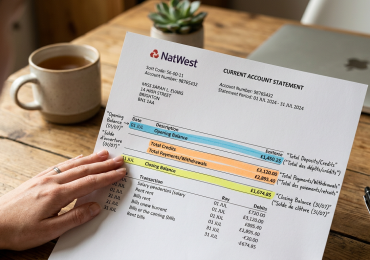
- Financial Documents: Bank statements, payslips, and tax returns to prove financial stability.
- Employment Letters: To verify current employment and income.
- Police Clearance Certificates: Required for certain visa categories to ensure no criminal history.
- Medical Records: Necessary for health-related visa applications.
- Identity Documents: Passports and national IDs that prove identity.
These documents serve various purposes, from establishing identity and marital status to demonstrating financial capability and educational qualifications. It is crucial for applicants to ensure that all documents not in English are translated and certified before submission to avoid any potential issues with their visa application.
Which Documents Need Translation for UKVI?
UK Visas and Immigration (UKVI) has specific requirements regarding which documents must be translated for visa applications. Understanding these requirements is essential for ensuring compliance and avoiding delays. The documents that need translation for UKVI include:
- Official Documents: Any official document that is not in English must be translated. This includes legal documents, certificates, and transcripts.
- Supporting Documents: Documents that support the main application, such as financial statements or employment letters, also need to be translated if they are not in English.
- Personal Documents: Personal documents like birth and marriage certificates are mandatory for family-related visa applications.
It is essential to differentiate between general and specific requirements. For instance, while all official documents must be translated, some specific visa categories may require additional documentation, such as proof of English language proficiency or specific financial documentation. Applicants should carefully review the requirements for their specific visa category on the UKVI website to ensure they include all necessary translations.
Additionally, it is advisable to consult with a certified translation service familiar with UKVI requirements. This ensures that the translations meet the necessary standards and are accepted without issue. Failure to comply with these requirements can lead to application delays or rejections, making it crucial for applicants to be thorough and diligent in their preparations.
UK Visa Translation Checklist
To streamline the visa application process, applicants should follow a step-by-step checklist to ensure that all necessary documents are included and properly translated. Here’s a useful UK visa translation checklist:
- Identify Required Documents: Review the specific visa category requirements and make a list of all documents needed.
- Check Language Requirements: Determine which documents are not in English and require translation.
- Choose a Certified Translation Service: Select a reputable translation service that specializes in UKVI requirements.
- Submit Original Documents: Provide the original documents to the translation service for accurate translation.
- Request Certified Translations: Ensure that the translations are certified and include a signed statement from the translator or agency.
- Review Translations: Carefully review the translations for accuracy and completeness before submission.
- Compile Application Package: Include both the original documents and their certified translations in the application package.
- Submit Application: Follow the specific submission guidelines provided by UKVI for your visa category.
By adhering to this checklist, applicants can minimize the risk of errors and ensure that all necessary documents are included in their visa application. It is also beneficial to keep copies of all submitted documents for personal records.
Mandatory Translation Documents for UK
Understanding the mandatory translation documents for UK visa applications is crucial for a successful application process. The following documents are typically mandatory for translation:
- Birth Certificates: Required for proving age and identity.
- Marriage Certificates: Essential for spouse visas and family reunification applications.
- Divorce Certificates: Necessary for applicants who have been previously married to demonstrate marital history.
- Academic Documents: Transcripts and diplomas for student visa applications.
- Financial Evidence: Bank statements and payslips to prove financial stability.
Failing to provide certified translations of these mandatory documents can result in significant consequences. Applications may be delayed, returned for correction, or outright rejected if the required translations are not included. Therefore, it is imperative for applicants to verify that all mandatory documents are translated and certified before submission. Additionally, applicants should pay attention to the quality and accuracy of the translations, as any errors could lead to misunderstandings or complications in the application process.
UKVI Required Translations: What You Need to Know
UKVI has specific requirements regarding translations that applicants must adhere to. Understanding these requirements is essential for avoiding common pitfalls and ensuring a smooth application process. Here are the key points to consider:
- Certified Translations Only: UKVI only accepts translations that are certified. This means that the translator or agency must provide a signed statement affirming the accuracy of the translation.
- Language Proficiency: If documents are in a language other than English, they must be translated into English by a qualified translator.
- Document Integrity: Translations must reflect the original document’s content accurately, including any stamps, seals, or signatures.
- Submission Guidelines: Follow the specific submission guidelines provided by UKVI for your visa category, including how to present the translations.
Common pitfalls include submitting non-certified translations, using unqualified translators, or failing to include all required documents. To avoid these issues, applicants should ensure that they work with a certified translation service that understands UKVI requirements. This proactive approach can save time and prevent unnecessary complications during the visa application process.
How to Choose a Certified Translation Service
Selecting a reliable certified translation service is a critical step in the visa application process. Here are key criteria to consider when choosing a translation provider:
- Accreditation: Ensure the translation service is accredited by recognized professional bodies, such as the Association of Translation Companies (ATC) or the Institute of Translation and Interpreting (ITI).
- Experience: Look for a service with experience in translating documents for UKVI and a proven track record of successful visa applications.
- Specialization: Choose a provider that specializes in certified translations, particularly for immigration and legal documents.
- Client Reviews: Check client testimonials and reviews to gauge the quality of service and customer satisfaction.
- Turnaround Time: Inquire about the average turnaround time for translations to ensure they can meet your deadlines.
By carefully evaluating translation services based on these criteria, applicants can select a provider that meets their needs and ensures that their documents are translated accurately and certified appropriately.
Frequently Asked Questions about UK Visa Translations
What documents need certified translation for a UK visa?
All official documents not in English must be translated and certified for a UK visa application.
Is a certified translation necessary for all visa applications?
Yes, especially for documents like birth certificates and marriage licenses, which are often required by UKVI.
How long does it take to get documents translated?
Typically, it takes 3-5 business days, depending on the service and document length.
Can I translate documents myself for UKVI?
No, translations must be done by a certified translator or agency to be accepted by UKVI.
What happens if I submit untranslated documents?
Your application may be delayed or rejected by UKVI if untranslated documents are submitted.