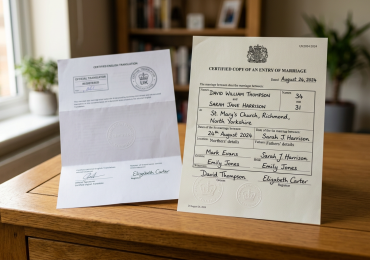
Understanding Certified Translation for Visa Appeals
Certified translation is a specialized form of translation that ensures documents are accurately translated and meet specific legal standards required for various official purposes, including immigration. This type of translation is crucial for visa appeals in the UK, where precise and legally compliant translations can significantly influence the outcome of an application. A certified translation typically includes a signed statement from the translator or translation service, affirming that the translation is complete and accurate to the best of their knowledge. This certification is essential for documents submitted to the UK Home Office or immigration tribunals, as it provides assurance that the translated content reflects the original document’s intent and meaning.
The importance of certified translation for visa appeals cannot be overstated. When an individual faces a visa refusal, the appeal process often necessitates the submission of various documents in a language that the tribunal can understand. Failure to provide certified translations can lead to delays, complications, or even outright rejection of the appeal. For instance, if a birth certificate or marriage certificate is required to support an application but is not translated correctly or lacks certification, it could jeopardize the entire appeal process. Therefore, ensuring that all documents are translated by a qualified professional who understands the nuances of legal terminology and immigration requirements is vital.
Why You Need Certified Translation for UK Visa Appeals
The consequences of not providing certified translations during a visa appeal can be severe. Non-compliance with the UK Home Office’s requirements can lead to visa refusals, delays in processing, or the need to restart the appeal process entirely. For example, if a document is submitted in a foreign language without an accompanying certified translation, the tribunal may reject it, resulting in a significant setback for the applicant.
Certified translations offer several benefits in immigration cases. Firstly, they enhance the credibility of the documents submitted. When the tribunal receives a certified translation, it can trust that the information is accurate and complete, which can positively influence their decision. Secondly, certified translations help to avoid misunderstandings that might arise from inaccurate translations. Legal terminology can be complex, and a layperson may not capture the nuances required for immigration purposes. By using a certified translator, applicants ensure that their documents are interpreted correctly, minimizing the risk of miscommunication.
Moreover, certified translations can expedite the appeal process. When all documents are correctly translated and certified, it reduces the likelihood of requests for additional information or clarifications from the tribunal. This efficiency can lead to a faster resolution of the appeal, allowing applicants to move forward with their plans without unnecessary delays. In summary, certified translation is not just a formality; it is a critical component of a successful visa appeal in the UK.
Documents That Require Translation for Visa Appeals
- Birth Certificates: Essential for proving identity and familial relationships.
- Marriage Certificates: Often required to demonstrate the legitimacy of a relationship in spousal visa applications.
- Divorce Decrees: Necessary for individuals who have been previously married and need to clarify their marital status.
- Police Certificates: Required to show the applicant’s criminal history, if any, which must be accurately translated.
- Academic Transcripts: For students applying for visas, these documents must be translated to validate educational qualifications.
- Employment Letters: To support claims of employment history or sponsorship.
Specific examples of tribunal documents that may require translation include:
- Appeal Notices: Any correspondence from the tribunal regarding the appeal process.
- Witness Statements: Statements from individuals supporting the appeal that must be understood in English.
- Expert Reports: Any documents prepared by professionals that provide evidence relevant to the case.
Ensuring that these documents are accurately translated and certified is crucial for the success of a visa appeal. Each document plays a vital role in establishing the applicant’s case, and any inaccuracies or omissions can lead to unfavorable outcomes.
Immigration Appeal Translation Requirements
The UK Home Office has specific requirements for certified translations submitted as part of visa appeals. Understanding these requirements is essential for ensuring compliance and avoiding complications. Firstly, all translations must be provided by a qualified translator or translation service that is accredited and experienced in immigration-related translations. This ensures that the translator understands the legal terminology and nuances involved in immigration cases.
According to the Home Office, certified translations must include a signed statement from the translator, which confirms that the translation is accurate and complete. This statement should also include the translator’s qualifications and contact information. Additionally, the translated document should be accompanied by a copy of the original document in the foreign language to provide context and verification.
Standards for certified translations also dictate that the translation must be clear, legible, and formatted in a way that closely resembles the original document. This includes maintaining the structure, headings, and any relevant formatting elements. For example, if a document contains official seals or signatures, these should be replicated in the translation where possible.
Furthermore, the Home Office may require specific types of translations depending on the nature of the appeal. For instance, legal documents may need to adhere to stricter standards than personal documents. It is advisable to consult with a certified translation service that specializes in immigration to ensure that all requirements are met and that the translations are prepared correctly.
How to Choose a Certified Translation Service
- Accreditation: Ensure that the service is accredited by recognized bodies, such as the Association of Translation Companies (ATC) or the Institute of Translation and Interpreting (ITI). This accreditation demonstrates that the service adheres to industry standards.
- Experience in Immigration Translations: Look for a service that specializes in translations for immigration purposes. They should be familiar with the specific requirements set by the UK Home Office and have a track record of handling similar cases.
- Translator Qualifications: Inquire about the qualifications and expertise of the translators. They should be fluent in both the source and target languages and have experience with legal terminology.
- Turnaround Time: Consider the service’s ability to meet deadlines. Visa appeals often have strict timelines, so it is essential to choose a service that can deliver translations promptly.
- Customer Reviews and Testimonials: Research reviews and testimonials from previous clients. Positive feedback can provide insight into the service’s reliability and quality.
- Cost Transparency: Ensure that the service provides clear pricing information. Be wary of hidden fees that could increase the overall cost unexpectedly.
Before making a decision, it is advisable to ask potential services questions about their processes, turnaround times, and any guarantees they offer regarding the accuracy of their translations. A reputable service will be happy to provide this information and help you feel confident in your choice.
The Process of Translating Documents for Visa Appeal
The process of translating documents for a visa appeal typically involves several key steps to ensure accuracy and compliance with legal standards. Here’s a step-by-step overview of what to expect:
- Document Collection: Gather all necessary documents that require translation. This includes original documents and any relevant supporting materials.
- Choosing a Translation Service: Select a certified translation service that meets your needs based on the criteria discussed earlier.
- Submission of Documents: Submit the documents to the translation service, along with any specific instructions regarding the translation requirements.
- Translation Process: The translator will begin the translation, ensuring that all legal terminology is accurately rendered and that the format aligns with the original document.
- Quality Assurance: After translation, the document typically undergoes a quality assurance process, where another translator or editor reviews the work for accuracy and completeness.
- Certification: Once the translation is finalized, the translator will provide a signed certification statement, confirming the accuracy of the translation.
- Delivery of Translated Documents: The completed translations, along with the certification and original documents, will be delivered to you. Ensure that you review them for accuracy before submission to the tribunal.
The timeline for document preparation can vary depending on the complexity of the documents and the workload of the translation service. Generally, it is advisable to allow several days to weeks for the entire process, especially if multiple documents are involved. Planning ahead and allowing ample time for translation can help avoid last-minute issues.
Common Challenges in Visa Refusal Translation
- Complex Legal Terminology: Legal documents often contain jargon that may not have direct translations in other languages. This can lead to misunderstandings if not handled by a qualified translator.
- Formatting Issues: Maintaining the original document’s format during translation is crucial. Inconsistent formatting can raise red flags with the tribunal.
- Incomplete Information: If the original document is incomplete or unclear, it can lead to inaccuracies in the translation. It is essential to provide the translator with all necessary context.
- Time Constraints: Tight deadlines can pressure translators, potentially compromising the quality of the translation. It is vital to allow sufficient time for thorough translation and review.
To overcome these challenges, applicants should:
- Choose experienced translators who specialize in legal and immigration translations.
- Provide clear instructions and context for each document being translated.
- Allow ample time for the translation process to ensure thoroughness and accuracy.
- Review translated documents carefully before submission to identify any potential issues.
By being proactive and aware of these common challenges, applicants can better navigate the translation process and enhance their chances of a successful visa appeal.
Case Studies: Successful Visa Appeals with Certified Translations
Real-life examples often illustrate the importance of certified translations in the visa appeal process. Consider the case of a couple whose spousal visa application was initially refused due to insufficient documentation. They had submitted their marriage certificate, but it was not translated by a certified translator. After seeking professional help, they obtained a certified translation of the marriage certificate, along with additional supporting documents, including joint bank statements and utility bills.
Upon resubmission, the tribunal recognized the certified translation’s authenticity and completeness, leading to a successful appeal. This case highlights how proper documentation and certified translations can significantly impact the outcome of visa applications.
Another example involves an international student whose visa was denied due to discrepancies in academic transcripts. The student had provided translations from a non-certified source, which the tribunal deemed unreliable. After consulting a certified translation service, the student received accurate translations of their academic records, complete with the necessary certification. The appeal was successful, allowing the student to continue their studies in the UK.
These case studies emphasize the critical role that certified translations play in the visa appeal process. Proper documentation not only strengthens the applicant’s case but also fosters trust with the tribunal, ultimately leading to favorable outcomes.
Frequently Asked Questions about Certified Translation for Visa Appeals
What is certified translation for visa appeals?
A certified translation is an official translation that meets legal standards for immigration purposes. It includes a signed statement from the translator affirming the accuracy of the translation.
What documents need to be translated for a UK visa appeal?
Documents like birth certificates, marriage certificates, and court documents typically require translation to support a visa appeal.
How do I find a certified translation service?
Look for services with accreditation, positive reviews, and experience in immigration-related translations. Ensure they specialize in certified translations for legal purposes.
What are the consequences of not providing certified translations?
Failure to provide certified translations can lead to visa refusals or delays in the appeal process, potentially jeopardizing the applicant’s chances of success.
How long does it take to get documents translated for a visa appeal?
Translation times can vary, but it’s advisable to allow several days to weeks depending on document complexity and the workload of the translation service.