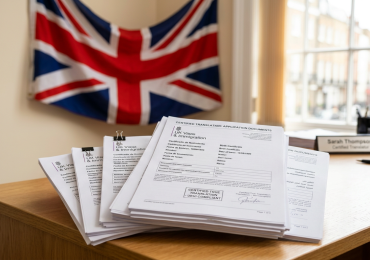
Understanding UK Student Finance Requirements
The UK student finance system is designed to support students in their pursuit of higher education, ensuring that financial constraints do not hinder access to learning opportunities. This system encompasses various forms of financial assistance, including tuition fee loans, maintenance loans, and grants. To apply for this financial support, students must submit a range of documentation that verifies their eligibility and financial situation.
Accurate documentation is crucial in the student finance application process. The Student Finance England (SFE) requires specific documents to assess a student’s eligibility for funding. Inaccurate or incomplete documentation can lead to delays in processing applications, or worse, outright rejection. Therefore, understanding the necessary requirements and ensuring that all documents are correctly translated, if they are not in English, is essential for a smooth application process.
Moreover, the importance of accurate documentation extends beyond mere compliance with SFE requirements. It also reflects the applicant’s credibility and preparedness for university life. Students who can provide clear, well-translated documents demonstrate their commitment to their education and their understanding of the administrative processes involved. This can positively influence the assessment of their application and their overall experience with the UK education system.
In summary, navigating the UK student finance landscape requires not only a grasp of the financial products available but also a keen attention to the documentation process. Ensuring that all documents, especially those in foreign languages, are accurately translated will significantly enhance the likelihood of a successful application.
Key Documents for Student Finance Applications
When applying for student finance in the UK, certain key documents must be submitted to support the application. These documents vary depending on the applicant’s personal circumstances, but typically include:
- Proof of Identity: This may include a passport or national ID card.
- Proof of Residency: Utility bills, bank statements, or rental agreements can serve this purpose.
- Proof of Income: This can include payslips, tax returns, or financial statements from parents or guardians.
- Academic Records: Transcripts and diplomas from previous educational institutions are necessary to verify academic qualifications.
For international students, additional documents may be required, particularly those that are not originally in English. Common foreign documents requiring translation include:
- Transcripts: Academic records from overseas institutions must be translated to ensure they meet UK standards.
- Degree Certificates: Proof of completed qualifications must be accurately translated to verify educational achievements.
- Financial Statements: Documentation proving financial support or income sources from abroad must also be translated.
Providing these documents in a timely and accurate manner is vital. Missing or incorrectly translated documents can lead to significant delays in the application process or even rejection of the application. Therefore, it is advisable to start gathering and translating these documents well in advance of the application deadlines.
SFE Translation Requirements in the UK
The Student Finance England (SFE) has specific guidelines regarding the translation of documents submitted for student finance applications. Understanding these requirements is essential for ensuring that your application is processed smoothly.
Firstly, all translations must be completed by a certified translator. This ensures that the translation is accurate and meets the necessary standards. The SFE may require proof of the translator’s qualifications, so it is advisable to choose a professional service that can provide this documentation.
Secondly, the translated documents must be clear and legible. This includes ensuring that all text is properly formatted and that any official seals or signatures are included in the translation. The SFE requires that translations be presented in a manner that closely mirrors the original document to avoid any confusion during the assessment process.
Additionally, the SFE specifies that translations should include a statement from the translator, confirming the accuracy of the translation and their qualifications. This statement acts as a form of certification, providing reassurance that the translation is reliable and meets all necessary standards.
Lastly, it is crucial to submit both the original documents and their translations together. This allows the SFE to verify the authenticity of the translated documents against the originals, further streamlining the application process.
How to Translate Documents for Student Finance
Translating documents for student finance applications involves several important steps to ensure accuracy and compliance with SFE requirements. Here’s a step-by-step guide to help you through the process:
- Identify Required Documents: Begin by listing all documents that need translation. This includes academic records, financial statements, and any other relevant paperwork.
- Choose a Certified Translator: Select a translator or translation service that specializes in academic or financial documents. Ensure they are certified and familiar with SFE guidelines.
- Provide Context: When submitting documents for translation, provide context about their purpose. This helps the translator understand the importance of specific terminology and formatting.
- Review Translations: Once the translations are complete, review them for accuracy. If possible, have someone else fluent in both languages verify the translations to catch any errors.
- Obtain Certification: Ensure that the translator provides a certification statement confirming the accuracy of the translation and their qualifications. This is crucial for SFE submission.
- Compile Submission Package: Gather the original documents and their translations, ensuring they are organized and clearly labeled. Include the translator’s certification statement in this package.
- Submit on Time: Submit your application, including all translated documents, before the deadline to avoid any delays in processing.
By following these steps, you can ensure that your documents are accurately translated and meet SFE requirements, increasing your chances of a successful student finance application.
Student Loan Document Translation: Best Practices
Ensuring the accuracy of your student loan document translations is critical for a successful application. Here are some best practices to follow:
- Use Professional Services: Always opt for professional translation services that specialize in academic and financial documents. Avoid using unverified freelancers or machine translation tools, as these can lead to inaccuracies.
- Check Translator Qualifications: Ensure that the translator is certified and has experience with SFE requirements. This knowledge is essential for understanding the nuances of financial terminology.
- Provide Clear Instructions: When submitting documents for translation, provide clear instructions regarding the intended use of the documents. This helps the translator to maintain the appropriate tone and terminology.
- Request a Revision: If you notice any discrepancies or errors in the translation, request a revision immediately. Most professional services will accommodate such requests as part of their service.
- Maintain Consistency: If you have multiple documents to be translated, ensure that the same translator handles all of them to maintain consistency in terminology and style.
- Review and Verify: After receiving the translations, review them thoroughly. If possible, have someone fluent in both languages check for accuracy and clarity.
By adhering to these best practices, you can avoid common pitfalls in document translation and ensure that your student finance application is supported by accurate and reliable translations.
Costs and Timelines for Document Translation
The costs and timelines associated with translating documents for student finance applications can vary widely based on several factors. Understanding these can help you budget and plan accordingly.
Factors influencing translation costs include:
- Document Type: Different types of documents may have varying complexity and length, impacting the overall cost. For example, academic transcripts may require more detailed attention than a simple financial statement.
- Language Pair: The rarity of the source and target languages can also affect pricing. Common language pairs may be more affordable than less common ones.
- Translator Experience: More experienced translators may charge higher rates due to their expertise and familiarity with specific terminology.
- Urgency: If you require expedited services, be prepared to pay a premium for faster turnaround times.
Typical turnaround times for student finance document translations generally range from a few days to several weeks, depending on the volume of documents and the translator’s workload. It is advisable to plan ahead and allow ample time for translation, especially if you are submitting your application close to deadlines.
In conclusion, understanding the costs and timelines associated with document translation can help you make informed decisions and ensure that your student finance application is submitted on time and accurately.
Case Studies: Successful Document Translations
Real-life examples of successful document translations for student finance applications can provide valuable insights into best practices and lessons learned. Here are a few case studies that highlight effective translation strategies:
Case Study 1: Maria, an international student from Spain, needed to translate her academic transcripts and financial statements. She chose a certified translation service with experience in academic translations. By providing clear instructions and context, Maria received accurate translations that met SFE requirements, resulting in a smooth application process.
Case Study 2: John, a student from Nigeria, faced challenges when translating his financial documents due to complex terminology. He worked closely with a translator who specialized in financial translations, ensuring that all terms were accurately conveyed. This attention to detail helped John secure his student loan without any issues.
Case Study 3: A group of students from various countries collaborated to share resources and experiences regarding document translations. They collectively hired a translation service that offered bulk discounts. This not only reduced costs but also ensured consistency across their documents, which proved beneficial during the application process.
These case studies illustrate the importance of choosing the right translation service, providing clear instructions, and collaborating with peers to enhance the document translation process. By learning from others’ experiences, future applicants can navigate their own student finance applications more effectively.
Frequently Asked Questions
What documents need to be translated for UK student finance?
Documents that typically need translation include transcripts, diplomas, and financial statements. These documents must be accurately translated to meet SFE requirements.
How can I ensure my document translation meets SFE requirements?
To ensure compliance with SFE requirements, use certified translators who are familiar with SFE guidelines. Additionally, request a certification statement confirming the accuracy of the translation.
What are the costs associated with translating student finance documents?
Costs for translating student finance documents vary based on the type of document and the translator’s experience. It’s advisable to obtain quotes from multiple services to find the best option.
How long does it take to translate documents for student finance?
Translation timelines typically range from a few days to a few weeks, depending on the volume of documents and the translator’s workload. Plan ahead to ensure timely submission.
Can I translate my own documents for student finance?
Self-translations are generally not accepted for student finance applications; certified translations are required to ensure accuracy and compliance with SFE standards.