Understanding the Ancestry Visa
The UK Ancestry Visa allows individuals from Commonwealth countries to live and work in the UK if they can prove that one of their grandparents was born in the UK. This visa is particularly appealing for those with British heritage, as it provides a pathway to settlement and eventual citizenship. Applicants must demonstrate that they are a Commonwealth citizen, at least 17 years old, and able to work and support themselves without recourse to public funds.
To be eligible for the Ancestry Visa, applicants must meet several criteria:
- Commonwealth Citizenship: Applicants must be a citizen of a Commonwealth country, such as Canada, Australia, or New Zealand.
- Proof of Ancestry: Applicants must provide evidence that one of their grandparents was born in the UK. This can include birth certificates, marriage certificates, or other official documents that establish the lineage.
- Financial Requirements: Applicants must demonstrate that they can support themselves financially in the UK. This typically involves showing a certain level of savings or income.
- Good Character: Applicants must not have any serious criminal convictions or immigration issues.
- Health Requirements: Applicants may need to undergo a health assessment to ensure they do not pose a public health risk.
Understanding these requirements is crucial for a successful application. Each element plays a significant role in the assessment of the application, and any missing documentation can lead to delays or rejections. Therefore, ensuring that all necessary documents are prepared and translated accurately is essential for a smooth application process.
Importance of Certified Translation
Certified translation is a professional translation service that guarantees the accuracy and authenticity of translated documents. It is essential for legal and immigration purposes, including visa applications. A certified translator provides a signed statement confirming that the translation is complete and accurate, which is often a requirement for government agencies.
When applying for an Ancestry Visa, certified translations are necessary for several reasons:
- Legal Compliance: The UK Home Office requires that all documents not in English be translated by a certified translator. This ensures that the translations meet specific standards and are acceptable for official use.
- Accuracy Assurance: Certified translators are trained professionals who understand the nuances of legal terminology. This reduces the risk of errors that could lead to application denial.
- Credibility: Submitting certified translations enhances the credibility of the application. It demonstrates that the applicant has taken the process seriously and has invested in professional services to ensure compliance.
- Streamlined Process: Using certified translations can expedite the visa application process. When documents are accurately translated and certified, it minimizes the likelihood of delays caused by requests for additional information.
In summary, certified translation is not just a formality; it is a critical component of the Ancestry Visa application process. Ensuring that all documents are accurately translated and certified can significantly impact the success of the application.
Documents Required for Ancestry Visa Translation
- Birth Certificates: The applicant’s birth certificate, as well as those of the grandparent through whom ancestry is claimed, must be translated. This document is crucial for establishing lineage.
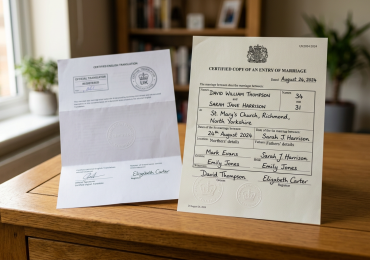
- Marriage Certificates: If applicable, marriage certificates of the applicant or their grandparents may also need translation to provide context regarding family relationships.
- Death Certificates: If a grandparent is deceased, a death certificate may be required to confirm the lineage and may need translation.
- Adoption Papers: For applicants who were adopted, legal documents confirming the adoption may also need translation.
- Proof of Identity: Any identification documents, such as passports, must be translated if they are not in English.
- Financial Documents: Evidence of financial stability, such as bank statements or employment letters, may also need to be translated, especially if they are in another language.
Each document must be translated accurately and must include a certification statement from the translator. This statement verifies that the translation is a true and accurate representation of the original document. It is essential to ensure that all documents are complete, as incomplete submissions can lead to delays or denials in the visa application process.
Birth Certificate Translation for Ancestry Visa
The birth certificate is one of the most critical documents required for the Ancestry Visa application. It serves as primary evidence of the applicant’s identity and lineage. Therefore, the translation of this document must be handled with utmost care.
Here are some reasons why birth certificate translation is crucial:
- Establishing Identity: The birth certificate confirms the applicant’s identity and date of birth, which are essential for the visa application.
- Proving Ancestry: It provides direct evidence linking the applicant to their UK-born grandparent, which is a fundamental requirement for the visa.
- Legal Requirements: As mentioned earlier, the UK Home Office mandates that all documents not in English be translated by a certified translator. This includes birth certificates.
Common issues with birth certificate translations include:
- Inaccurate Translations: Errors in translation can lead to misunderstandings or misinterpretations of the document, potentially jeopardizing the application.
- Missing Certification: If the translation is not accompanied by a certification statement, it may be rejected by the Home Office.
- Format Issues: The translated document must closely resemble the original in format, including any seals or stamps.
To avoid these issues, it is advisable to work with a professional translation service that specializes in immigration documents. They will ensure that the translation meets all necessary requirements and is completed accurately.
Ancestry Visa Translation Requirements
When preparing documents for an Ancestry Visa application, understanding the specific translation requirements is vital. The UK Home Office has set clear guidelines that must be followed to ensure that translations are acceptable.
Key translation requirements include:
- Language Requirements: All documents not in English must be translated into English. This includes any supporting documents that may be required during the application process.
- Certification Standards: Translations must be completed by a certified translator or translation service. The translator must provide a signed statement confirming that the translation is accurate and complete.
- Format Consistency: The translated documents should match the format of the original documents. This includes maintaining the same layout, font, and any official seals or stamps present on the original.
- Timeliness: Translations should be completed in a timely manner to avoid delays in the visa application process. Many translation services offer expedited options for urgent requests.
It is also important to note that the Home Office may request additional information or clarification regarding the translations. Being prepared with accurate and professionally certified translations can help mitigate any potential issues that may arise during the application process.
Choosing a Translation Service
Selecting the right translation service is crucial for ensuring that your documents are accurately translated and certified. Here are some key factors to consider when choosing a certified translation service:
- Experience and Expertise: Look for a service that specializes in immigration translations and has experience with Ancestry Visa applications. They should be familiar with the specific requirements set by the UK Home Office.
- Certification: Ensure that the translators are certified and provide a signed statement with each translation. This certification is essential for the acceptance of documents by the Home Office.
- Turnaround Time: Inquire about the typical turnaround time for translations. Timeliness is crucial, especially if you are working within a tight application deadline.
- Customer Reviews: Check online reviews and testimonials from previous clients to gauge the reliability and quality of the service. Positive feedback can often indicate a trustworthy provider.
- Cost Transparency: Request a detailed quote that outlines all costs associated with the translation services. Be wary of hidden fees that may arise later in the process.
Using a professional translation service can provide peace of mind, knowing that your documents are in capable hands. This can ultimately lead to a smoother application process and increase the chances of a successful outcome.
Submitting Translated Documents
Once your documents have been translated and certified, the next step is submitting them as part of your Ancestry Visa application. Proper submission is crucial to avoid delays or complications. Here’s how to submit your translated documents effectively:
- Compile All Required Documents: Ensure that you have all necessary documents, including the original documents and their certified translations. Double-check the Home Office guidelines to confirm that you have everything needed.
- Organize Your Submission: Arrange the documents in the order specified by the application instructions. This may include placing the translated documents immediately following the originals.
- Use Secure Packaging: When mailing your application, use secure packaging to protect your documents. Consider using a trackable mailing service to ensure that your application arrives safely.
- Keep Copies: Make copies of all documents submitted, including translations. This will serve as a record in case any issues arise during the application process.
Common pitfalls to avoid during submission include:
- Incomplete Applications: Ensure that all required documents are included to avoid delays or rejections.
- Incorrect Formatting: Follow the Home Office’s formatting guidelines to prevent issues with document acceptance.
- Failure to Certify Translations: Always include the certification statement with each translated document to meet legal requirements.
By following these guidelines, you can ensure that your translated documents are submitted correctly, increasing the likelihood of a successful Ancestry Visa application.
Frequently Asked Questions
What documents need to be translated for an ancestry visa?
Documents that need to be translated for an ancestry visa include birth certificates, marriage certificates, and other legal documents that establish lineage and identity.
How long does it take to get documents translated?
Typically, it takes 3-5 business days to get documents translated, depending on the service provider and the complexity of the documents.
Can I translate documents myself for the ancestry visa?
No, translations must be done by a certified translator to ensure they meet the legal requirements set by the Home Office.
What is the cost of certified translation for an ancestry visa?
Costs for certified translation vary by service provider; it’s best to request a quote to understand the specific pricing for your documents.
Are there specific formatting requirements for translated documents?
Yes, translations must match the original document’s format and include certification details to be accepted by the Home Office.