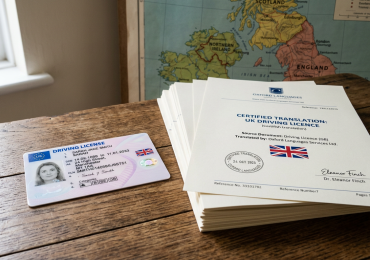
Understanding DVLA Registration Requirements
The Driver and Vehicle Licensing Agency (DVLA) oversees vehicle registration in the UK, ensuring that all vehicles on the road are properly documented and accounted for. For individuals moving to the UK or importing vehicles from abroad, understanding the DVLA registration process is crucial. This process includes submitting various vehicle documents, which must be accurately translated if they are not in English. The importance of precise document translation cannot be overstated; inaccurate translations can lead to delays, additional costs, or even the rejection of registration applications.
When registering a vehicle with the DVLA, applicants must provide documentation that proves ownership, identity, and the vehicle’s specifications. This process is not only about compliance but also about ensuring road safety and legal accountability. Therefore, having the right translations in place is essential for a smooth registration experience. A well-translated document reflects the original content accurately, which is vital for the DVLA’s review process.
In summary, understanding the DVLA registration requirements and the role of accurate document translation is the first step for anyone looking to register a vehicle in the UK. This knowledge can save time, money, and stress, ensuring that all necessary paperwork is in order before submission.
Types of Vehicle Documents That Need Translation
When registering a vehicle with the DVLA, several key documents may require translation. Understanding which documents need to be translated is essential for a successful registration process.
- Car Registration Documents: These documents serve as proof of ownership and typically include details such as the Vehicle Identification Number (VIN), make, model, and year of manufacture. Accurate translation of these documents is critical, as they provide the DVLA with essential information about the vehicle.
- Vehicle Titles: A vehicle title is a legal document that establishes ownership of a vehicle. In many countries, it is a requirement to present the original title when registering a vehicle in the UK. The translation must convey all details, including any liens or encumbrances on the vehicle.
- Logbooks: A logbook contains vital information about the vehicle’s history, including previous owners and any modifications made. An accurate translation is necessary to ensure that the DVLA can verify the vehicle’s history and assess its eligibility for registration.
- Import Documents: For vehicles being imported into the UK, specific import documents are required, such as the customs declaration and proof of payment of any applicable duties. These documents must be translated to ensure compliance with UK regulations and to facilitate the registration process.
In conclusion, understanding the types of vehicle documents that require translation is vital for anyone looking to register a vehicle with the DVLA. Each document plays a crucial role in the registration process, and accurate translations ensure that the DVLA receives the necessary information to process applications efficiently.
How to Translate Car Registration for DVLA
Translating car registration documents for DVLA registration involves a systematic approach to ensure accuracy and compliance with legal standards. Here’s a step-by-step guide to help you navigate this process effectively:
- Identify Required Documents: Begin by gathering all necessary documents that need translation, including the car registration, vehicle title, logbook, and any import documents.
- Choose a Professional Translation Service: It is advisable to engage a professional translation service that specializes in vehicle document translation. Look for services that offer certified translations, as these are often required by the DVLA. Check reviews and testimonials to ensure reliability.
- Provide Context: When submitting your documents for translation, provide context about the purpose of the translation. This helps the translator understand the specific terminology and requirements associated with vehicle registration in the UK.
- Review the Translation: Once you receive the translated documents, review them carefully. Ensure that all details match the original documents and that there are no errors in the translation. Pay special attention to vehicle specifications and ownership details.
- Obtain Certification: After verifying the accuracy of the translation, request a certification from the translation service. This certification is often necessary for submission to the DVLA.
- Submit to DVLA: Finally, submit the translated documents along with your registration application to the DVLA. Ensure that you follow any additional instructions provided by the DVLA regarding document submission.
Common pitfalls to avoid during this process include attempting to translate documents yourself, overlooking the need for certification, and failing to provide adequate context to the translator. By following these steps and avoiding common mistakes, you can ensure a smooth translation process that meets DVLA requirements.
Vehicle Title Translation in the UK
Vehicle title translation is a critical aspect of registering a vehicle in the UK, particularly for those importing vehicles from abroad. The vehicle title serves as proof of ownership and contains essential information about the vehicle. Therefore, understanding the specific requirements for vehicle title translation is crucial.
In the UK, the DVLA requires that vehicle titles be translated by a certified translator who is familiar with the legal terminology used in vehicle documentation. This ensures that the translation is not only accurate but also legally compliant. Incorrect translations can lead to significant legal implications, including the potential rejection of the registration application or complications in proving ownership.
Moreover, vehicle titles often include details such as the VIN, previous owners, and any liens against the vehicle. Any discrepancies in translation can raise red flags during the registration process. Therefore, it is imperative to use a professional translation service that specializes in vehicle title translations to avoid such issues.
In summary, ensuring that vehicle title translations meet UK standards is vital for successful vehicle registration. Engaging a certified translation service can help mitigate legal risks and streamline the registration process.
Logbook Translation for DVLA Registration
A logbook, also known as the V5C registration certificate, is a crucial document for vehicle registration in the UK. It contains essential information about the vehicle, including its make, model, and history of ownership. Accurate logbook translation is vital for several reasons.
Firstly, the logbook serves as proof of ownership and is required by the DVLA to verify that the applicant has the legal right to register the vehicle. If the logbook is not translated accurately, it could lead to misunderstandings regarding ownership, potentially resulting in delays or rejection of the registration application.
Secondly, the logbook includes important details about the vehicle’s history, such as previous owners and any modifications made. Any inaccuracies in translation could misrepresent the vehicle’s history, leading to complications during the registration process. The DVLA relies heavily on the information provided in the logbook to assess the vehicle’s eligibility for registration.
In conclusion, ensuring that logbook translations are accurate and compliant with DVLA standards is essential for anyone looking to register a vehicle in the UK. Engaging a professional translation service can help ensure that all necessary details are correctly conveyed, facilitating a smoother registration process.
Car Import Document Translation
When importing a vehicle into the UK, several specific documents are required, and accurate translation of these documents is essential for successful registration with the DVLA. The primary documents needed for car import include the customs declaration, proof of payment for duties, and the original vehicle title.
The customs declaration is a critical document that provides information about the vehicle being imported, including its value and specifications. This document must be translated accurately to ensure compliance with UK customs regulations. Failure to provide a correct translation may result in delays or additional charges.
In addition to the customs declaration, proof of payment for any applicable duties must also be translated. This document verifies that all necessary fees have been paid, which is essential for the registration process. Without proper translation, the DVLA may question the validity of the payment, leading to further complications.
Lastly, the original vehicle title must be translated to establish ownership. As previously discussed, inaccuracies in the title translation can have serious legal implications, making it imperative to use a certified translation service for this purpose.
In summary, understanding the translation process for car import documents is crucial for anyone looking to import a vehicle into the UK. Ensuring that all documentation is accurately translated can facilitate a smoother registration process with the DVLA.
Foreign Vehicle Document Translation in the UK
Translating foreign vehicle documents can present unique challenges, particularly for individuals unfamiliar with the specific requirements set forth by the DVLA. These challenges can include language barriers, differing legal terminologies, and varying document formats. Understanding these challenges is essential for anyone looking to register a foreign vehicle in the UK.
One of the primary challenges is ensuring that the translation accurately reflects the original document’s content. This is particularly important for legal documents, where even minor errors can lead to significant issues during the registration process. Engaging a professional translation service that specializes in vehicle documentation can help mitigate these risks.
Another challenge is the need for certification. Many foreign documents must be accompanied by a certified translation to be accepted by the DVLA. This requirement can vary depending on the document type and the country of origin. It is crucial to verify the specific requirements for each document to ensure compliance with UK regulations.
Best practices for translating foreign vehicle documents include using certified translators, providing context about the documents, and ensuring that all translations are reviewed for accuracy. Additionally, it is advisable to keep copies of both the original and translated documents for reference during the registration process.
In conclusion, navigating the complexities of foreign vehicle document translation in the UK requires careful attention to detail and an understanding of DVLA requirements. By following best practices and engaging professional services, individuals can ensure a smoother registration process.
Choosing the Right Translation Service
Selecting the right translation service is a crucial step in ensuring that vehicle documents are accurately translated for DVLA registration. Several factors should be considered when making this decision.
- Specialization: Look for a translation service that specializes in vehicle documents and has experience with DVLA requirements. This specialization ensures that the translators are familiar with the specific terminology and legal implications associated with vehicle registration.
- Certification: Ensure that the translation service offers certified translations. The DVLA often requires certified translations to validate the accuracy of the documents submitted.
- Reviews and Testimonials: Research the translation service’s reputation by reading reviews and testimonials from previous clients. This feedback can provide insights into the quality of service and reliability.
- Turnaround Time: Inquire about the typical turnaround time for translations. Depending on your registration timeline, you may need a service that can deliver translations quickly without compromising quality.
- Cost: While cost should not be the sole determining factor, it is important to understand the pricing structure of the translation service. Request quotes from multiple providers to compare costs and services offered.
In summary, choosing the right translation service is essential for ensuring accurate and compliant translations of vehicle documents. By considering these factors, individuals can select a service that meets their needs and facilitates a smooth registration process with the DVLA.
Frequently Asked Questions
What documents need to be translated for DVLA registration?
Car registration documents, vehicle titles, logbooks, and import documents must be translated.
How long does the translation process take?
Translation times can vary, but typically range from a few days to a week depending on the service.
Can I translate my vehicle documents myself?
Self-translation is not recommended; professional services ensure accuracy and compliance with DVLA standards.
What are the costs associated with vehicle document translation?
Costs vary by service provider and document complexity; it’s best to request a quote.
Is certified translation necessary for DVLA?
Yes, certified translations are often required to meet DVLA regulations.